Home / News & Blog / Lutein, zeaxanthin, astaxanthin for eye-health formulas
Lutein, zeaxanthin, astaxanthin for eye-health formulas
2026-11-26 · Fame Rise Biotech Inc. · info@famerise.com
Key takeaways:
- Lutein and zeaxanthin are bought together from marigold (Tagetes erecta); check whether the percentage is free lutein or lutein ester before comparing prices.
- The common reference ratio is 5:1 lutein to zeaxanthin (10 mg + 2 mg), taken from the AREDS2 trial formulation — a reference point, not a dose claim.
- Astaxanthin is an oleoresin from Haematococcus pluvialis; EFSA caps it at 8 mg a day in EU food supplements.
- Lycopene’s COA should state the all-trans isomer share (JECFA: not less than 70% of total lycopenes).
- Bilberry is an anthocyanin ingredient, not a carotenoid — it needs its own assay (Ph. Eur. 32.4–39.6% anthocyanins).
Specifying carotenoids for an eye-health formula comes down to four questions: which form, which assay, which physical format, and which ratio. Lutein and Zeaxanthin are usually bought together as a marigold extract, in free or ester form; Astaxanthin is bought as an oleoresin from the microalga Haematococcus pluvialis; and Lycopene and Bilberry Extract are the two ingredients most often combined with them. Get those four answers right on the specification sheet and the rest — price, lead time, samples — is a normal commercial discussion.
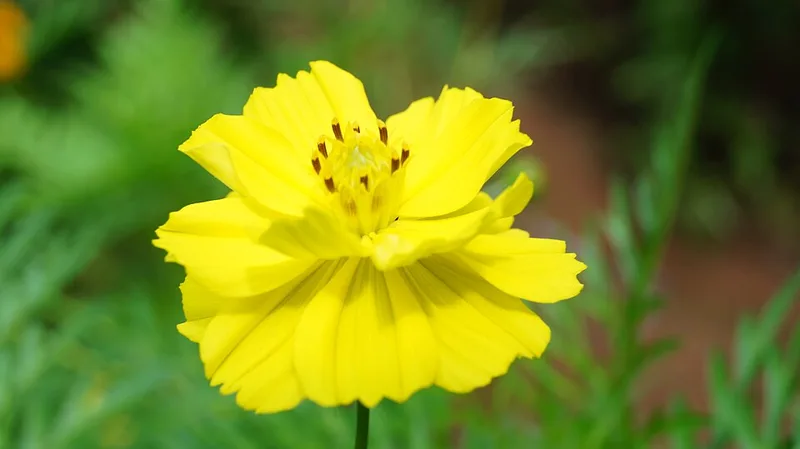
Lutein and zeaxanthin come from the same raw material: the flowers of African marigold, Tagetes erecta. In the flower they occur mainly as esters, and the EFSA evaluation of the food colour E161b describes a marigold extract of at least 80% total carotenoids, of which about 79% is lutein and 5% is zeaxanthin. Suppliers sell the extract either as lutein esters or, after saponification, as free lutein: the esters are the more stable form and are often used in supplements, while free lutein is the form most specifications and monographs are written around. That is the first line to check on any quotation — whether the percentage is free lutein or lutein ester — because the same number means a different amount of active lutein. Fame Rise offers Lutein & Zeaxanthin as 5–90% powder, cold-water-dispersible (CWS) 5/10% grades, beadlets, and oil at 10–30%, with zeaxanthin at 5–70%.
The ratio most buyers work from is 5:1, lutein to zeaxanthin — 10 mg of lutein with 2 mg of zeaxanthin a day. That is the combination used in the AREDS2 trial formulation run by the US National Eye Institute, which replaced the 15 mg of beta-carotene in the original AREDS formula. Use it as a reference point when briefing a supplier, not as a dose claim: it describes a trial formulation, and the rules for what a finished product may say on its label are set market by market. For scale, the average adult in the United States consumes only about 1–2 mg of lutein a day from food. On safety, JECFA set a group acceptable daily intake (ADI) of 0–2 mg/kg body weight a day for lutein and zeaxanthin in 2006, then revised it in 2018 to “not specified” — the committee’s term for substances of low toxicity with no adverse effects observed in a broad range of studies. EFSA, meanwhile, kept an ADI of 1 mg/kg body weight a day for lutein as the food colour E161b.
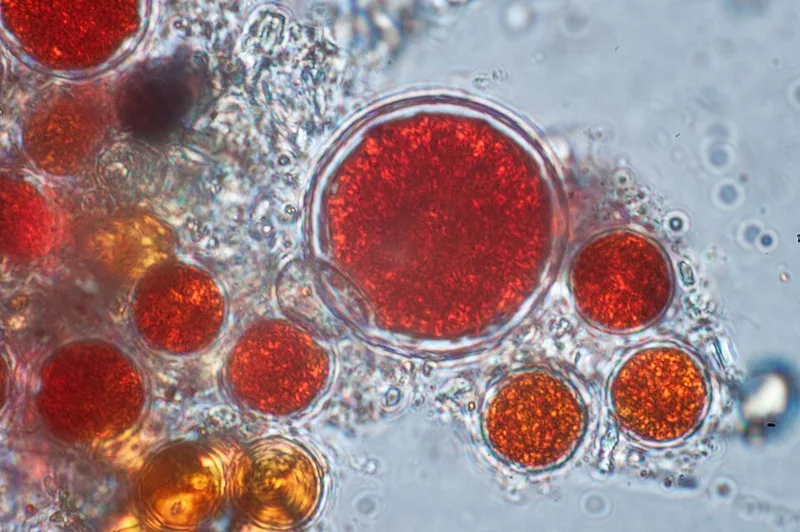
Astaxanthin is a different ingredient from lutein in almost every respect except that it is also a carotenoid. It is produced by the microalga Haematococcus pluvialis and sold as a red oleoresin, in oil or powder form. It is also the pigment that gives salmon flesh its pink-orange colour, which is why salmon is the most familiar picture of astaxanthin in food. In the EU, an astaxanthin-rich oleoresin from H. pluvialis is authorised as a novel food, and EFSA’s 2020 safety opinion sets a maximum of 8 mg of astaxanthin a day in food supplements for adults, with an ADI of 0.2 mg/kg body weight a day. That cap is the number to keep in mind when a supplier proposes a dose: ask for the oleoresin content on the COA, and check that the finished product’s daily amount stays inside the local limit. Fame Rise offers astaxanthin as powder or oil, with the grade confirmed on enquiry.
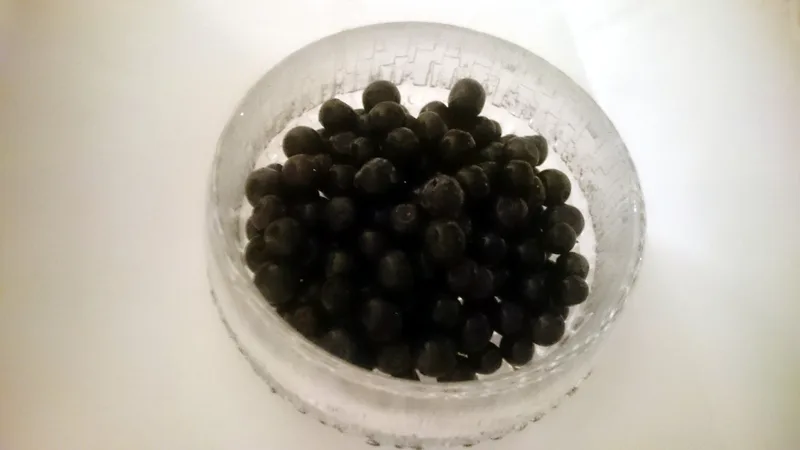
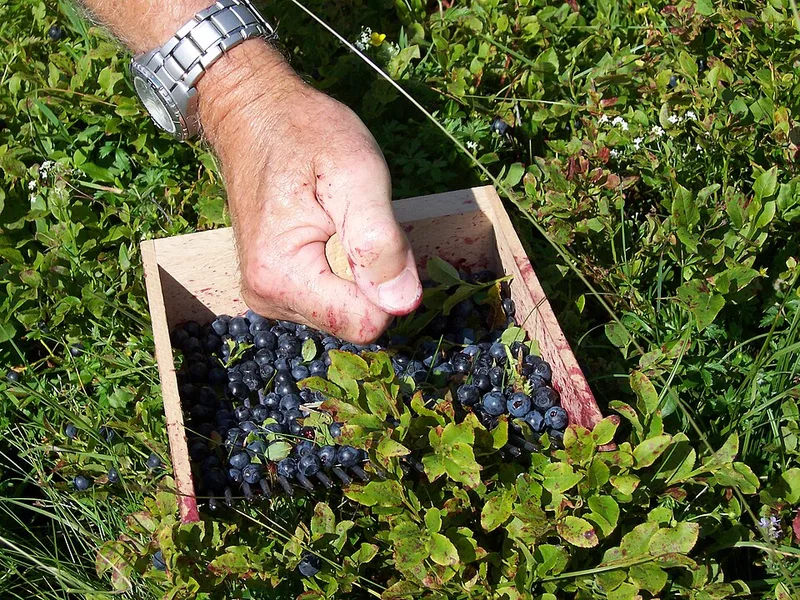
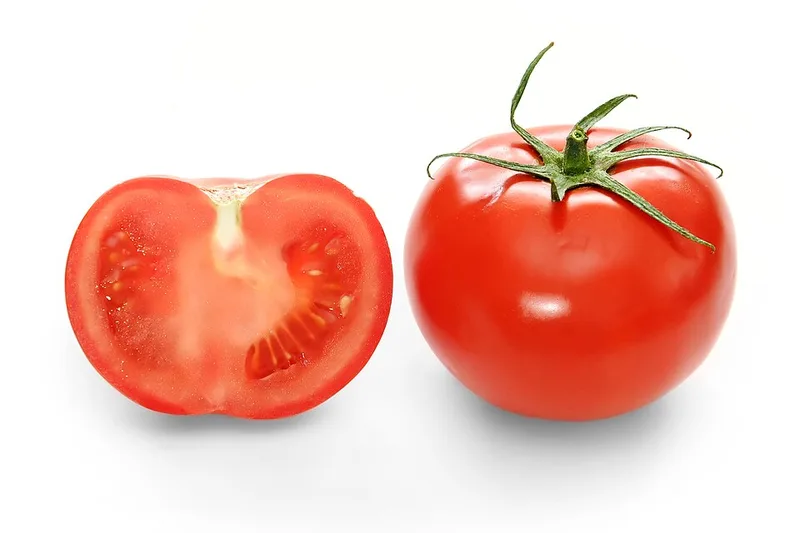
Lycopene, the red carotenoid of the tomato, is the third carotenoid in the comparison. JECFA set a group ADI of 0–0.5 mg/kg body weight a day for lycopene in 2006, and its specification for synthetic lycopene requires not less than 96% total lycopenes, of which not less than 70% is the all-trans isomer — a useful reminder that the isomer profile, not just the total, belongs on the COA. Bilberry Extract is often bought alongside the carotenoids, but it is not a carotenoid at all: its active markers are anthocyanins, and the European Pharmacopoeia monograph for refined bilberry extract requires 32.4–39.6% anthocyanins, expressed as cyanidin 3-O-glucoside chloride. Treat it as a separate specification with its own assay, not as a fourth carotenoid. For the full COA checklist — assay, method, isomer profile and the lines that are often missing — see our guide to reading a botanical extract COA. For any product in this article, contact sales at info@famerise.com with the product name and the grade you need.
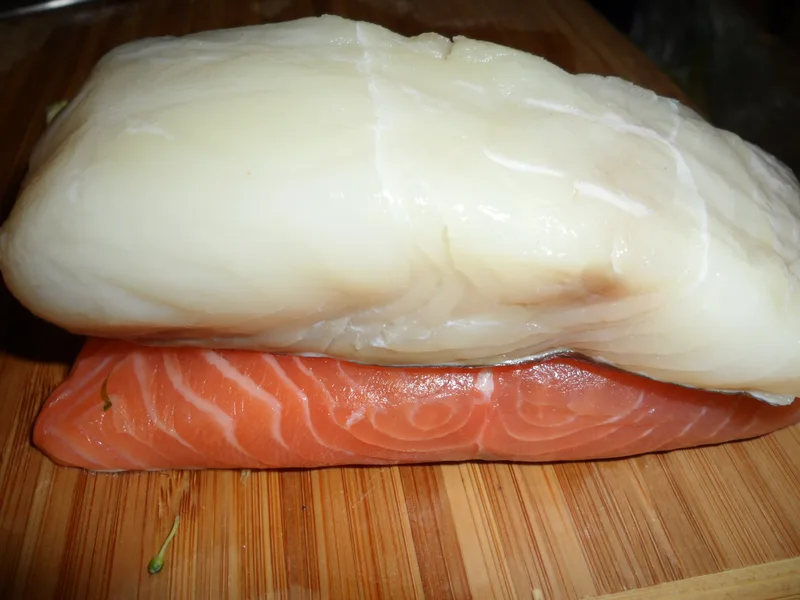
Photo: gran (CC BY 3.0)
Lutein, zeaxanthin, astaxanthin and lycopene: a grade comparison
The table below compares the four ingredients on the figures stated in the Fame Rise catalogue, with the specification line that matters most for each. Two points deserve attention before the table. First, the grade ranges are not interchangeable across ingredients: a 90% lutein powder and a 5% astaxanthin oleoresin are different kinds of numbers, and the COA behind each one is what makes them comparable. Second, bilberry appears in the table even though it is not a carotenoid, because it is the ingredient buyers most often ask to combine with the carotenoids — and the table shows why it needs a different assay.
| Ingredient | Source | Fame Rise grades | Assay | Key spec line |
|---|
| Lutein & Zeaxanthin | African marigold (Tagetes erecta) | Powder 5–90% · CWS 5/10% · Beadlets · Oil 10–30% · Zeaxanthin 5–70% | HPLC | Free lutein or lutein ester — state which |
| Astaxanthin | Haematococcus pluvialis oleoresin | Powder / oil — grade on enquiry | HPLC | Oleoresin content; EU cap 8 mg/day in supplements (EFSA, 2020) |
| Lycopene | Tomato | Powder / oil — grade on enquiry | HPLC | All-trans share: not less than 70% of total lycopenes (JECFA) |
| Bilberry Extract | Vaccinium myrtillus fruit | Anthocyanidins — grade on enquiry | HPLC / UV | Anthocyanins 32.4–39.6% as cyanidin 3-O-glucoside chloride (Ph. Eur.) |
Beta-carotene is the carotenoid that does not appear in this table. It was part of the original AREDS formula at 15 mg a day and was replaced by lutein and zeaxanthin in AREDS2; it is not currently in the Fame Rise catalogue. If you need it, ask sales — do not substitute another carotenoid on the specification sheet.
Free lutein vs lutein esters, and why the 5:1 ratio matters
In the marigold flower, lutein is stored mainly as esters — the lutein molecule bound to fatty acids. Saponification removes those fatty acids and gives free lutein. The esters are the more stable form and are often used in supplements; free lutein is the form most pharmacopoeia monographs are written around. Only free lutein is absorbed, so esterified lutein needs an extra hydrolysis step in the small intestine. Neither form is “better” in the abstract: the question is which one your specification, your monograph and your finished format are written around, and whether the price you are comparing is for the same form.
The monographs give the numbers to check. The USP has three monographs for lutein — Lutein, Lutein Preparation and Lutein Capsules — and the Lutein Preparation monograph requires 95.0–130.0% of the labelled lutein, with lutein at not less than 85.0% of total carotenoids and zeaxanthin at not more than 9.0%. If a supplier quotes “95% lutein”, ask which monograph the assay follows and whether the 95% is free lutein or lutein ester: the answer decides whether two quotations are comparable.
The ratio follows from the same source. A marigold extract is naturally about 16:1 lutein to zeaxanthin (79% to 5%), while the AREDS2 reference ratio is 5:1 — so a 5:1 product is a blended or standardised grade, not the raw extract. That is normal: the supplier adjusts the ratio to the formula. What matters is that the ratio is stated on the specification sheet, and that the COA reports lutein and zeaxanthin separately. One more line to watch: meso-zeaxanthin, the third carotenoid found in the human macula alongside lutein and zeaxanthin, has no JECFA specification yet — the 2018 evaluation could not conclude on it. If a supplier offers meso-zeaxanthin, ask for its specification before accepting it on a COA.
| Form | What it is | Typically used for |
|---|
| Free lutein powder | Lutein after saponification, 5–90% | Tablets and capsules where the monograph form is required |
| Lutein esters | Lutein as in the flower, 5–80%, more stable | Softgels and oil-based formats |
| CWS 5/10% and beadlets 5/10% | Cold-water-dispersible grades | Drinks, gummies and powders that must disperse in water |
| Astaxanthin oleoresin | Red oil from H. pluvialis | Softgels; dose capped at 8 mg/day in EU supplements |
Photo: Nikowsk (CC BY-SA 4.0)
A practical check: reading the carotenoid COA
Most carotenoid disputes are not about the ingredient — they are about the paper. The table below is the short version of the checklist in our guide to reading a botanical extract COA, narrowed to the lines that matter for carotenoids.
| COA line | What it tells you | Ask for it if it is missing |
|---|
| Assay and method | The content, and how it was measured — HPLC and UV give different numbers for the same material | The monograph or method the assay follows |
| Free vs ester | Whether the percentage is free lutein or lutein ester | The ester content, or the saponification step |
| Isomer profile | The all-trans share: lycopene not less than 70% of total lycopenes (JECFA); lutein not less than 85% of total carotenoids (USP) | The isomer breakdown, not just the total |
| Physical form | Powder, beadlet, CWS or oil — the form decides the finished format | The format and how it disperses |
| Identity | Species and plant part: Tagetes erecta flowers, Haematococcus pluvialis, Vaccinium myrtillus fruit | The botanical name and the part used |
| Batch identity | Which batch the COA describes | A COA for the batch you are buying, not a sample COA |
If any line is missing, ask why before you place the order. A COA describes one batch, not the supplier — compare it with the specification sheet for the grade you are buying, and keep both on file. For any product in this article, contact sales at info@famerise.com with the product name and the grade you need.
Frequently asked questions
What is the difference between free lutein and lutein esters?
In marigold flowers, lutein occurs mainly as esters — lutein bound to fatty acids. Free lutein is the same molecule after the esters are removed by saponification. The esters are the more stable form; free lutein is the form most pharmacopoeia monographs are written around. A percentage on a quotation must say which form it refers to, or two suppliers’ prices cannot be compared.
Why is zeaxanthin usually sold together with lutein?
Both come from the same marigold extract, and both occur together in the human macula. A marigold extract of at least 80% total carotenoids is typically about 79% lutein and 5% zeaxanthin (EFSA, 2010), so a combined grade is the natural product of the extraction. Separate zeaxanthin grades are available — Fame Rise offers zeaxanthin at 5–70% — when a formula needs a different ratio.
What does the 5:1 lutein-to-zeaxanthin ratio mean?
It is the 10 mg lutein to 2 mg zeaxanthin combination used in the AREDS2 trial formulation. It is a widely used reference point for formulators, not a dose recommendation: the amount in a finished product is set by the rules of the target market and the product category. Use it to brief a supplier, and check the local limits before launch.
What should I check on an astaxanthin COA?
Three lines: the astaxanthin content and the assay method (HPLC), the oleoresin content of the material, and the source — Haematococcus pluvialis. In the EU, food supplements are limited to a maximum of 8 mg of astaxanthin a day (EFSA, 2020), so the COA figures must let you calculate the daily amount in the finished product.
Is bilberry extract a carotenoid?
No. Bilberry’s markers are anthocyanins, a different family of pigments, measured by a different assay. The European Pharmacopoeia monograph for refined bilberry fruit dry extract requires 32.4–39.6% anthocyanins, expressed as cyanidin 3-O-glucoside chloride. Keep it on a separate specification from the carotenoids, with its own method and limits.
Sources:
- US National Eye Institute — Age-Related Eye Disease Studies (AREDS/AREDS2): Frequently Asked Questions — AREDS2 formulation (10 mg lutein + 2 mg zeaxanthin a day); original AREDS formulation (15 mg beta-carotene).
- Bernstein PS et al., “Lutein, zeaxanthin, and meso-zeaxanthin: The basic and clinical science underlying carotenoid-based nutritional interventions against ocular disease”, Progress in Retinal and Eye Research 2016;50:34–66 — Macular carotenoids (lutein, zeaxanthin, meso-zeaxanthin) as short-wavelength light absorbers and localised antioxidants.
- Edwards JA, “Zeaxanthin: Review of Toxicological Data and Acceptable Daily Intake”, Journal of Ophthalmology 2016 (corrigendum 2019) — JECFA 2006 group ADI 0–2 mg/kg bw/day; 2018 group ADI “not specified”; EFSA 2010 ADI 1 mg/kg bw/day; marigold extract composition (≥80% carotenoids: 79% lutein, 5% zeaxanthin).
- WHO JECFA database — Lutein esters from Tagetes erecta (evaluation year 2018) — Group ADI “not specified” for lutein from Tagetes erecta, lutein esters from Tagetes erecta and zeaxanthin (synthetic), established at the 86th JECFA (2018).
- EFSA Panel on Nutrition, Novel Foods and Food Allergens, “Safety of astaxanthin as a novel food”, EFSA Journal 2020;18(2):5993 — Maximum 8 mg astaxanthin a day in food supplements for adults; ADI 0.2 mg/kg bw a day; astaxanthin-rich oleoresin from Haematococcus pluvialis authorised at 40–80 mg oleoresin a day.
- WHO JECFA database — Lycopene (evaluation year 2006) — Group ADI 0–0.5 mg/kg bw a day for lycopene (synthetic and from Blakeslea trispora); JECFA specification: not less than 96% total lycopenes, not less than 70% all-trans lycopene.
- European Medicines Agency, “Assessment report on Vaccinium myrtillus L., fructus recens and fructus siccus” (2015) — European Pharmacopoeia monograph for refined bilberry fruit dry extract: 32.4–39.6% anthocyanins as cyanidin 3-O-glucoside chloride; drug-extract ratio 153–76:1; 36% anthocyanosides = 25% anthocyanidins.
- Johnson EJ et al., “Dietary guidance for lutein: consideration for intake recommendations is scientifically supported”, European Journal of Nutrition 2017 — USP monographs for Lutein, Lutein Preparation and Lutein Capsules (Lutein Preparation: 95.0–130.0% of labelled lutein; lutein ≥85.0% of total carotenoids; zeaxanthin ≤9.0%); lutein esters more stable and often used in supplements; average US adult intake about 1–2 mg lutein a day.
Products mentioned in this article
← All articles · Browse products