Home / Products / Antioxidants & Eye Health / Bilberry Extract
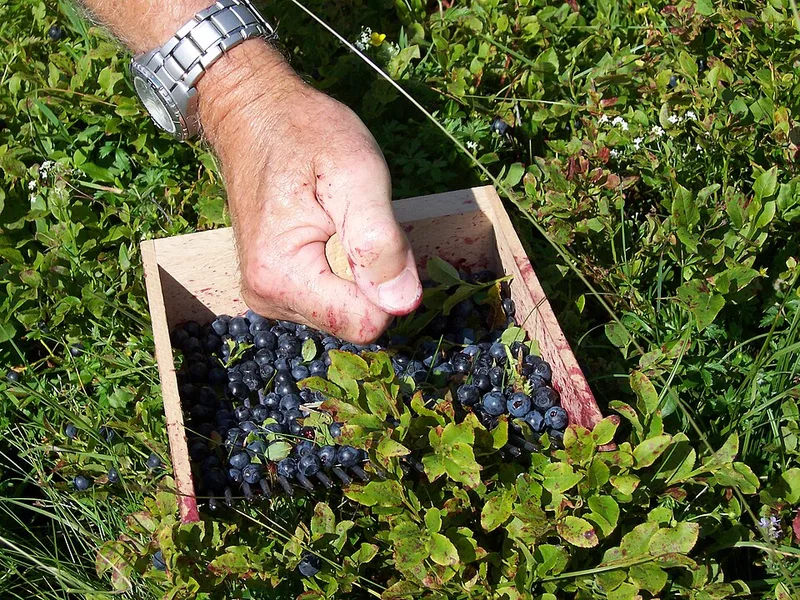
Photo: Wikimedia Commons by B.navez (CC BY-SA 3.0)
Bilberry Extract
Fruit extract standardised for anthocyanins, a classic eye-formula botanical paired with lutein.
At a glance: Fruit extract standardised for anthocyanins, a classic eye-formula botanical paired with lutein.
| Source | Vaccinium myrtillus |
|---|---|
| Part used | — |
| Form | Powder |
| Specification | Anthocyanidins — grade on enquiry |
| Test method | UV / HPLC |
Specification
| Product | Bilberry Extract |
|---|---|
| Botanical / source name | Vaccinium myrtillus |
| CAS number | To be confirmed |
| Specification | Anthocyanidins — grade on enquiry |
| Appearance | Fine powder — exact colour by grade; confirm on the COA |
| Form | Powder |
| Plant part / source | — |
| Solubility | Confirm solubility for the grade ordered — it varies by format |
| Test method | UV / HPLC |
Grades & forms
Anthocyanidins — grade on enquiry
Anthocyanidins — grade on enquiry. The reference grade is 25% anthocyanidins by UV (36% anthocyanosides); confirm which figure the specification uses.
How to use — formulation notes
Bilberry extract is standardised on anthocyanins, water-soluble pigments whose colour and stability depend strongly on pH: they are most stable in acidic conditions around pH 3–5 and shift or degrade toward neutral and alkaline pH, so acidic drinks and capsules are the friendliest formats. Anthocyanins are also sensitive to heat above about 50 °C, light, oxygen and transition metals such as iron and copper, so dose late in hot processes and pack protected from light. The European Pharmacopoeia pattern is 25% anthocyanidins by UV, conventionally quoted as 36% anthocyanosides; confirm which figure your specification uses.
It is often compared with Lutein & Zeaxanthin and Resveratrol in the same Antioxidants & Eye Health range — see the related products below — and the Reading a botanical extract COA: what buyers should check before ordering guide in our News & Blog covers how buyers compare grades like this one.
Applications
- ✓Supplements
- ✓functional foods
Typical uses are listed from the company catalogue. Confirm the grade, the permitted use level and the local rules for your target market before launch.
In the finished product
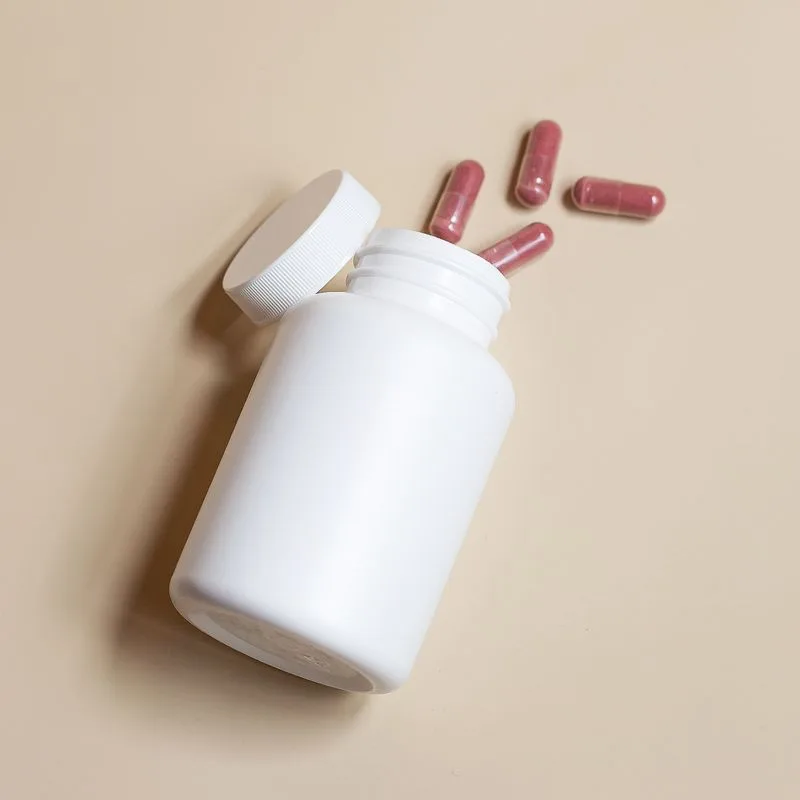
White supplement bottle with pink capsules spilled on a beige surface — a typical application for this ingredient.
- Certifications (ISO, Halal, Kosher, Organic, cGMP) — scope to be confirmed; not claimed on this site
- MOQ, packaging, lead time and price — To be confirmed; ask sales
- Loss on drying, heavy metals, pesticide residues and microbiological limits — confirm on the batch COA
Frequently asked questions
What grades are available?
See the specification table on this page. The headline grade is Anthocyanidins — grade on enquiry. Other grades are available on enquiry — ask for the specification sheet for the grade you need.
How is the active content tested?
By UV / HPLC where stated. The COA for each batch states the method and the result.
How should it be stored?
Store in a cool, dry place in sealed packaging, protected from light and moisture. Confirm the shelf life on the batch COA.
Can I get a COA and a sample?
Yes — batch COAs are available on request. Contact sales at info@famerise.com with the product name, the grade you need and your target application.
What is the difference between 25% anthocyanidins and 36% anthocyanosides?
They describe the same reference material in two conventions: 25% anthocyanidins by UV is conventionally quoted as the equivalent 36% anthocyanosides. Always check which figure a quote uses before comparing prices, and ask for the 15-peak anthocyanin fingerprint as the identity check.
Why does bilberry extract change colour in my drink?
Anthocyanin colour is pH dependent: red in acid, dull blue-grey above about pH 5, with browning if degraded. Keep the drink acidic, below about pH 4, avoid prolonged heat and metal contact, and use light-blocking packaging to hold the colour.
Is bilberry extract usually paired with lutein?
Yes — bilberry is a classic companion to lutein and zeaxanthin in eye-health formulations, with the carotenoids in oil or beadlet form and the bilberry extract in the powder blend. Confirm the grade and use level of each ingredient for your application.
Specification basis: PlantExtract.pdf (Fame Rise Corp sample). Figures are typical catalogue values; the batch COA is the binding document for the lot you receive.
Formulation notes — sources:
- Bilberry extract 25% anthocyanidins — Ph. Eur. pattern 32.4–39.6% anthocyanins, 25% anthocyanidins = 36% anthocyanosides, pH-dependent colour, heat/light/oxygen sensitivity — https://www.thovek.com/products/herbal-extracts/bilberry-extract-anthocyanins
- Foods (MDPI) review — Anthocyanin structural types and stability: pH, heat and light effects in food systems — https://mdpi-res.com/d_attachment/foods/foods-15-02080/article_deploy/foods-15-02080.pdf?version=1780922883
- Bilberry extract technical data sheet — most stable at pH 3.0–5.0, sensitive to light, oxygen and heat above 50 °C — https://nstchemicals.com/wp-content/uploads/2026/08/Bilberry-Extract-CAS-84082-34-8-TDS.pdf.pdf
Related products
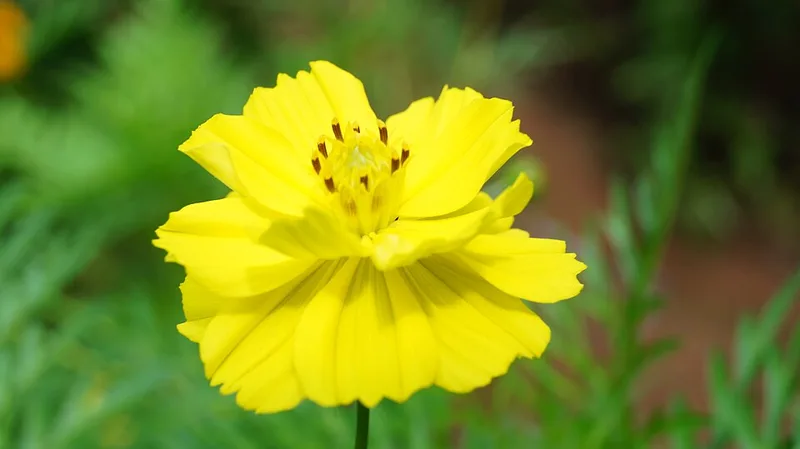
Lutein & Zeaxanthin
Tagetes erecta L. (marigold)Lutein 5–90% powder · CWS 5/10% · Beadlets · Oil 10–30% · Zeaxanthin 5–70%View product →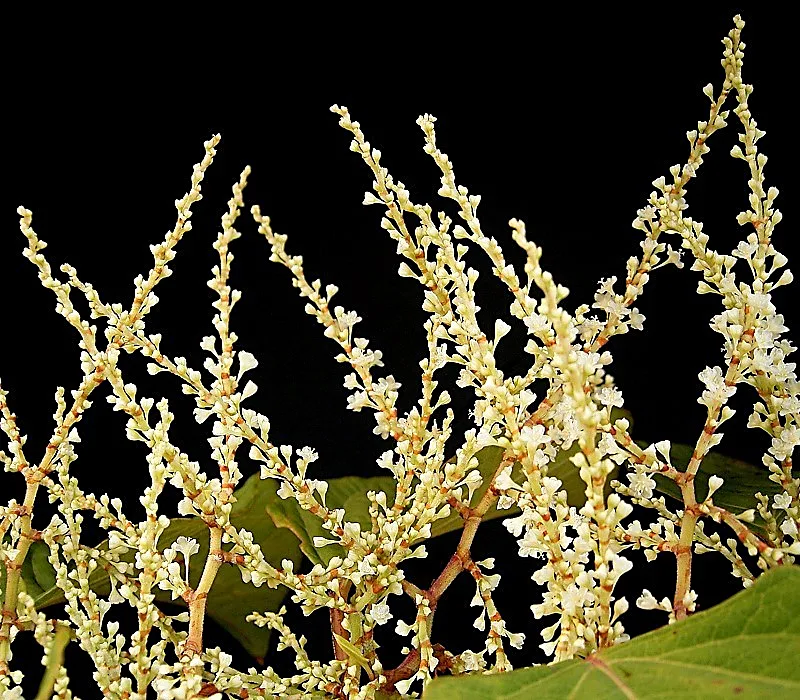
Resveratrol
Polygonum cuspidatumResveratrol 10–99% · HPLCView product →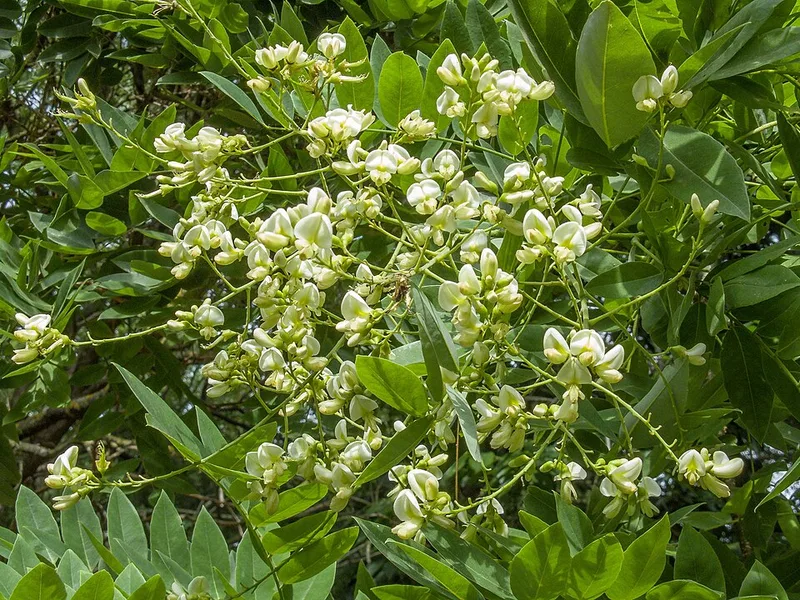
Quercetin & Rutin
Sophora japonica L.Quercetin 95% HPLC · Rutin 95% UV-VISView product →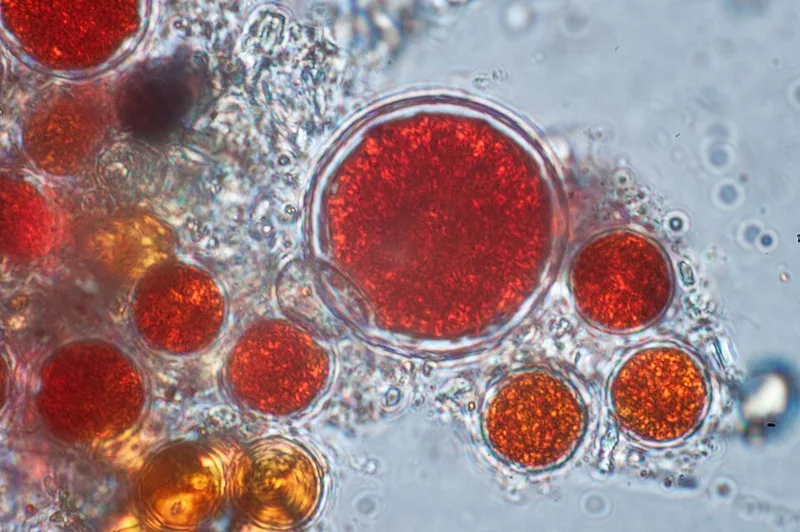
Astaxanthin
Haematococcus pluvialisPowder / oil — grade on enquiryView product →Further reading
See Reading a botanical extract COA: what buyers should check before ordering in our News & Blog — it links to this product and to the grades most often compared with it.