
Home / Products / Antioxidants & Eye Health / Lycopene
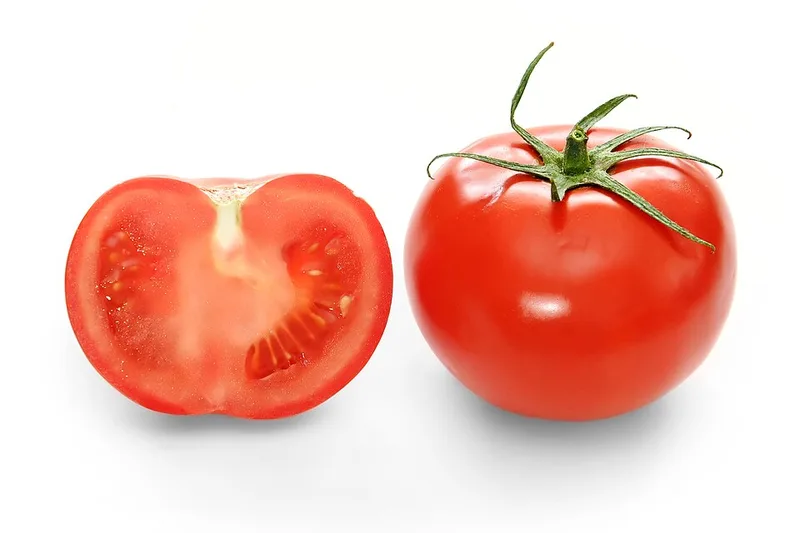
Photo: Wikimedia Commons by fir0002 flagstaffotos [at] gmail.com Canon 20D + Sigma 150mm f/2.8 (GFDL 1.2)
Lycopene
Tomato-derived carotenoid for supplements and natural red colour applications.
At a glance: Tomato-derived carotenoid for supplements and natural red colour applications.
| Source | Solanum lycopersicum (tomato) |
|---|---|
| Part used | — |
| Form | Powder |
| Specification | Powder / oil — grade on enquiry |
| Test method | HPLC / UV |
Specification
| Product | Lycopene |
|---|---|
| Botanical / source name | Solanum lycopersicum (tomato) |
| CAS number | 502-65-7 |
| Specification | Powder / oil — grade on enquiry |
| Appearance | Fine powder — exact colour by grade; confirm on the COA |
| Form | Powder |
| Plant part / source | — |
| Solubility | Confirm solubility for the grade ordered — it varies by format |
| Test method | HPLC / UV |
Grades & forms
Powder / oil — grade on enquiry
Powder and oil formats — grade on enquiry. Oleoresin, oil suspensions and microencapsulated CWS beadlets are the standard commercial formats; confirm the grade and assay on the specification sheet.
How to use — formulation notes
Lycopene is the red tomato carotenoid, an oil-soluble hydrocarbon that is insoluble in water and absorbs better with dietary fat. Its eleven conjugated double bonds make it highly sensitive to light, oxygen and heat, which drive trans-to-cis isomerisation and oxidation, so oleoresin or oil suspensions suit softgels while microencapsulated cold-water-dispersible beadlets suit tablets, capsules and drinks. Stabilise finished material with an antioxidant system such as mixed tocopherols and pack it nitrogen-flushed in opaque, oxygen-barrier packaging. Add beadlets at low-temperature stages and confirm the grade and use level for your application.
It is often compared with Lutein & Zeaxanthin and Resveratrol in the same Antioxidants & Eye Health range — see the related products below — and the Reading a botanical extract COA: what buyers should check before ordering guide in our News & Blog covers how buyers compare grades like this one.
Applications
- ✓Supplements
- ✓foods
Typical uses are listed from the company catalogue. Confirm the grade, the permitted use level and the local rules for your target market before launch.
In the finished product
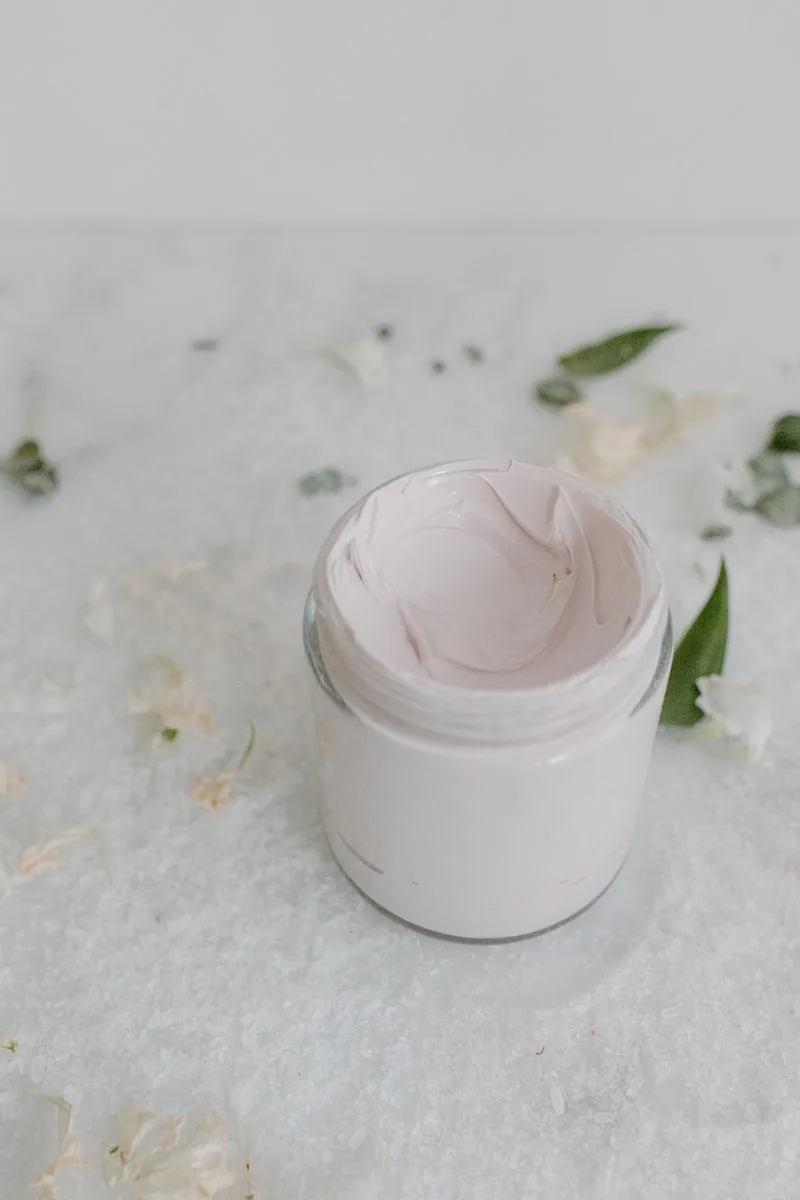
Open glass jar of pale pink skincare cream on marble with green leaves — a typical application for this ingredient.
- Certifications (ISO, Halal, Kosher, Organic, cGMP) — scope to be confirmed; not claimed on this site
- MOQ, packaging, lead time and price — To be confirmed; ask sales
- Loss on drying, heavy metals, pesticide residues and microbiological limits — confirm on the batch COA
Frequently asked questions
What grades are available?
See the specification table on this page. The headline grade is Powder / oil — grade on enquiry. Other grades are available on enquiry — ask for the specification sheet for the grade you need.
How is the active content tested?
By HPLC / UV where stated. The COA for each batch states the method and the result.
How should it be stored?
Store in a cool, dry place in sealed packaging, protected from light and moisture. Confirm the shelf life on the batch COA.
Can I get a COA and a sample?
Yes — batch COAs are available on request. Contact sales at info@famerise.com with the product name, the grade you need and your target application.
Is your lycopene from tomato or fermentation?
Our lycopene is tomato-derived. Fermentation-derived lycopene from Blakeslea trispora is also sold on the market, so if the source matters for your label or market, confirm the botanical or fermentation source on the specification sheet and COA.
Beadlets or oil suspension — which format should I choose?
Choose oil suspensions or oleoresin for softgels and oil-based formats, and microencapsulated cold-water-dispersible beadlets for tablets, capsules, sachets and drinks. Ask for the carrier declaration, dispersibility data and antioxidant system for the grade you order.
Can lycopene be used as a natural red colour?
Yes — lycopene is also used as a natural red colourant (E 160d) in foods and supplements. Colour stability depends on the matrix, so use opaque or oil-protected systems and confirm the grade, carrier and use level for your application.
Specification basis: PlantExtract.pdf (Fame Rise Corp sample). Figures are typical catalogue values; the batch COA is the binding document for the lot you receive.
Formulation notes — sources:
- Tomato lycopene extract: isomers, sources and COA guide — oleoresin, beadlet and oil formats; light, oxygen and heat sensitivity — https://www.blueeyes-bio.com/tomato-lycopene-extract-isomer-coa-guide.html
- Carotenoid stability in food and supplements — trans-to-cis isomerisation, oxidation, beadlet vs oil-suspension protection, storage temperatures — https://www.earthhue.net/en/articles/carotenoid-stability-in-food-and-supplements
Related products
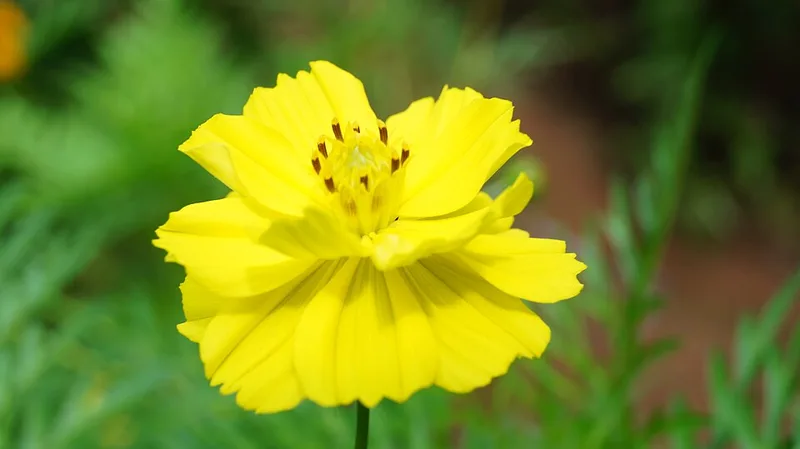
Lutein & Zeaxanthin
Tagetes erecta L. (marigold)Lutein 5–90% powder · CWS 5/10% · Beadlets · Oil 10–30% · Zeaxanthin 5–70%View product →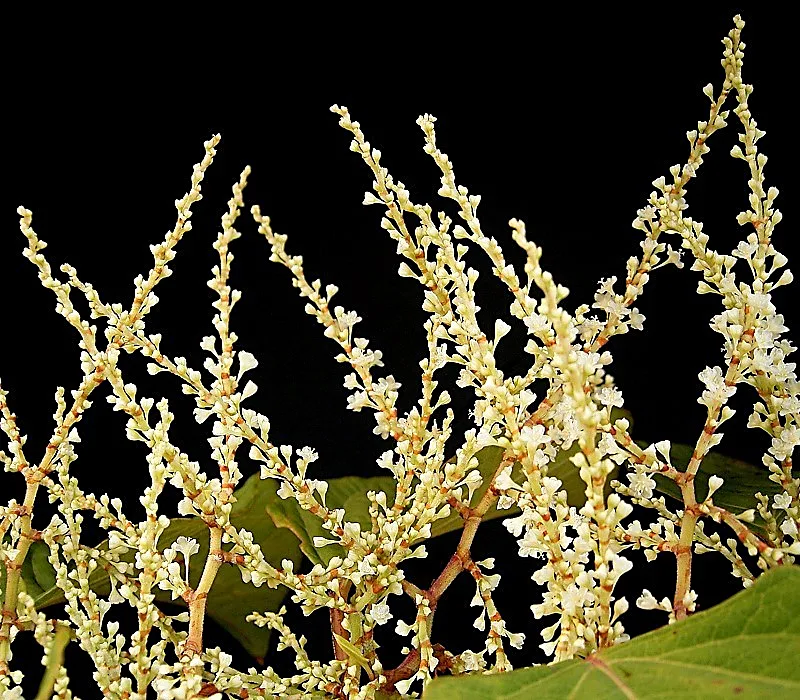
Resveratrol
Polygonum cuspidatumResveratrol 10–99% · HPLCView product →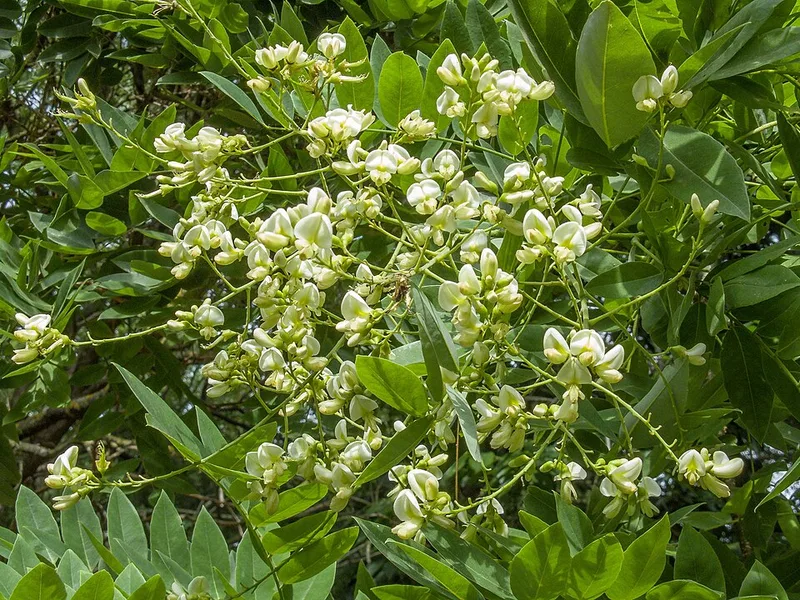
Quercetin & Rutin
Sophora japonica L.Quercetin 95% HPLC · Rutin 95% UV-VISView product →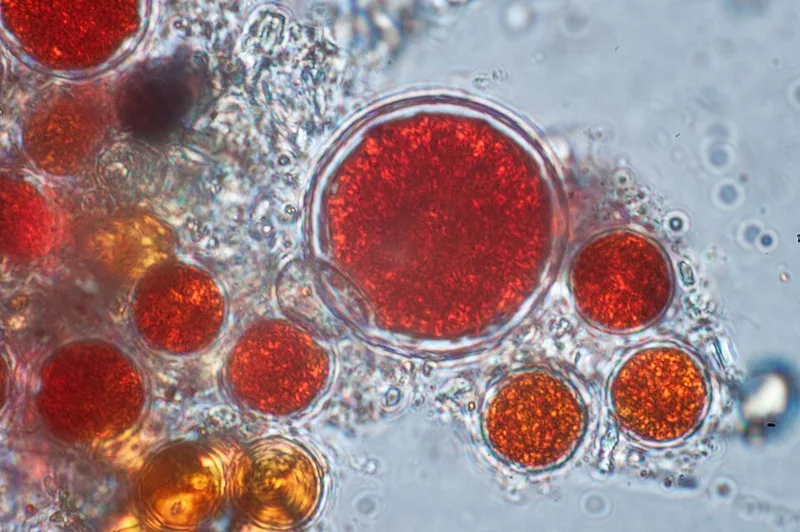
Astaxanthin
Haematococcus pluvialisPowder / oil — grade on enquiryView product →Further reading
See Reading a botanical extract COA: what buyers should check before ordering in our News & Blog — it links to this product and to the grades most often compared with it.