Home / Products / Antioxidants & Eye Health / Lutein & Zeaxanthin
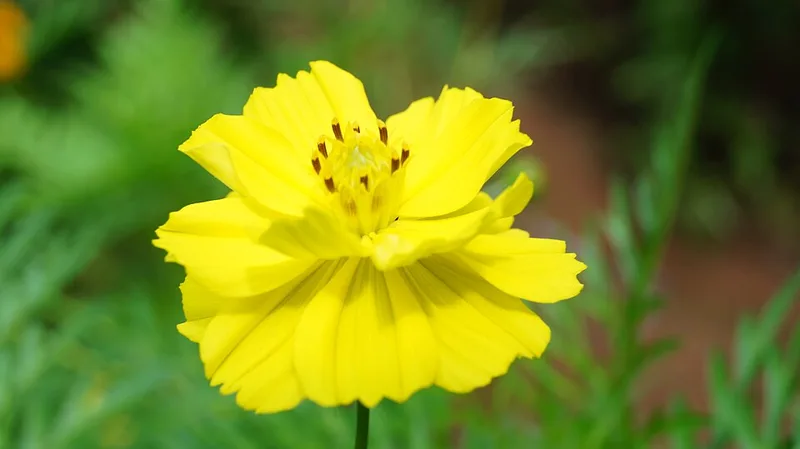
Photo: Wikimedia Commons by Zuhairali (CC BY-SA 4.0)
Lutein & Zeaxanthin
Marigold-derived macular carotenoids in powder, cold-water-soluble, beadlet and oil formats — matched to softgels, tablets, gummies and drinks.
At a glance: Marigold-derived macular carotenoids in powder, cold-water-soluble, beadlet and oil formats — matched to softgels, tablets, gummies and drinks.
| Source | Tagetes erecta L. (marigold) |
|---|---|
| Part used | Marigold flower (Tagetes erecta) |
| Form | Powder; CWS 5%/10%; beadlets 5%/10%; oil 10–30% |
| Specification | Lutein 5–90% powder · CWS 5/10% · Beadlets · Oil 10–30% · Zeaxanthin 5–70% |
| Test method | HPLC / UV |
Specification
| Product | Lutein & Zeaxanthin |
|---|---|
| Botanical / source name | Tagetes erecta L. (marigold) |
| CAS number | 127-40-2 (lutein) · 144-68-3 (zeaxanthin) |
| Specification | Lutein 5–90% powder · CWS 5/10% · Beadlets · Oil 10–30% · Zeaxanthin 5–70% |
| Appearance | Orange-red fine powder (free lutein); orange-yellow beadlets; dark oil (esters) |
| Form | Powder; CWS 5%/10%; beadlets 5%/10%; oil 10–30% |
| Plant part / source | Marigold flower (Tagetes erecta) |
| Solubility | Oil soluble (free form); cold-water-dispersible beadlets and CWS powder available |
| Test method | HPLC / UV |
Grades & forms
Lutein 5–90% powder, CWS 5%/10%, beadlets 5%/10%, oil 10%/20%/30%. Lutein esters 5–80%. Zeaxanthin 5–70% powder, beadlets 5%/10%/20%, oil 10%/15%/20%/30%. Typical lutein:zeaxanthin ratio in eye formulas is 5:1.
Lutein 5–90% powder, CWS 5%/10%, beadlets 5%/10% and oil 10–30%; lutein esters 5–80%; zeaxanthin 5–70% powder, beadlets and oil. A 5:1 lutein-to-zeaxanthin ratio is the common eye-formula reference.
How to use — formulation notes
Lutein and zeaxanthin are oil-soluble carotenoids that are practically insoluble in water, so the delivery format decides the application: oil suspensions suit softgels, while cold-water-dispersible (CWS) powder and beadlets suit tablets, capsules, gummies and drinks. Free lutein and lutein esters behave differently — esters are the more storage-stable native marigold form, while free lutein is preferred for CWS formats. Both are sensitive to light, heat and oxygen, so protect the material with an antioxidant system such as tocopherols and store it cool, dry and sealed. The AREDS2 trial used 10 mg lutein with 2 mg zeaxanthin daily, a 5:1 ratio widely used as a formulation reference.
It is often compared with Resveratrol and Quercetin & Rutin in the same Antioxidants & Eye Health range — see the related products below — and the Reading a botanical extract COA: what buyers should check before ordering guide in our News & Blog covers how buyers compare grades like this one.
Applications
- ✓Eye-health supplements
- ✓functional foods
- ✓natural colour
Typical uses are listed from the company catalogue. Confirm the grade, the permitted use level and the local rules for your target market before launch.
In the finished product
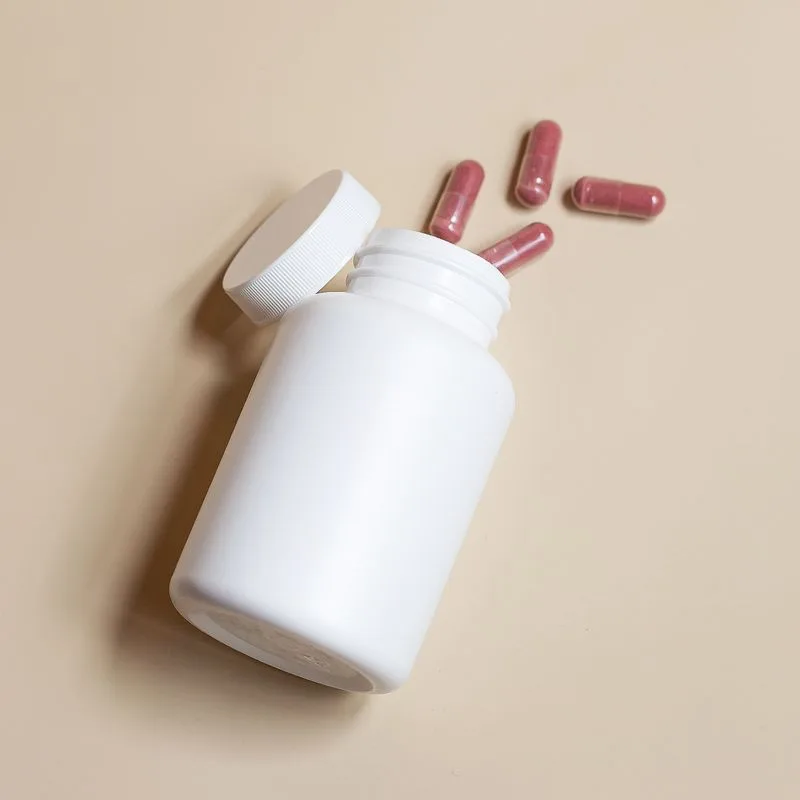
White supplement bottle with pink capsules spilled on a beige surface — a typical application for this ingredient.
- Certifications (ISO, Halal, Kosher, Organic, cGMP) — scope to be confirmed; not claimed on this site
- MOQ, packaging, lead time and price — To be confirmed; ask sales
- Loss on drying, heavy metals, pesticide residues and microbiological limits — confirm on the batch COA
Frequently asked questions
Free lutein or lutein esters?
Marigold naturally contains lutein esters. Free lutein is produced by saponification. When a quote gives a percentage without naming the form, it is incomplete — ask whether the figure is free lutein or ester, because the same percentage means different amounts of active lutein.
Which format for softgels, and which for drinks?
Oil suspensions and free powder suit softgels; beadlets and cold-water-dispersible (CWS) powder suit tablets, gummies and beverages. The format affects stability and dispersibility, not just the assay.
What ratio of lutein to zeaxanthin?
Eye-health formulas commonly target about 5:1 lutein to zeaxanthin. State the ratio you want on the specification sheet.
Can I get a COA and a sample?
Yes — batch COAs are available on request. Contact sales at info@famerise.com with the product name, the grade you need and your target application.
Free lutein or lutein esters — which should I order?
It depends on the finished product. Esters are the more storage-stable native marigold form and suit oil-based softgels, while free lutein is the usual choice for cold-water-dispersible powder and beadlets for drinks and tablets. Check the specification states the form and calculation basis, because the same percentage means different lutein content for esters and free lutein.
Which format works for a drink, and which for a softgel?
Use a cold-water-dispersible (CWS) powder or beadlets for drinks, gummies and tablets, and an oil suspension for softgels. Standard powder does not disperse in water, so confirm the format — powder, CWS, beadlet or oil — and the assay on the specification sheet before ordering.
Can I get a sample, and what are the MOQ, packaging and lead time?
Samples and batch COAs are available on request — contact sales at info@famerise.com with the grade, format and target application. MOQ, packaging and lead time are to be confirmed; ask sales for a quote for your order quantity.
Specification basis: Public catalogue cross-check 2026-11-24 — lutein CAS 127-40-2, zeaxanthin CAS 144-68-3, grades 5–90%; PlantExtract.pdf — Lutein & Zeaxanthin. Figures are typical catalogue values; the batch COA is the binding document for the lot you receive.
Formulation notes — sources:
- National Eye Institute — AREDS/AREDS2 FAQ (AREDS2 formula: lutein 10 mg, zeaxanthin 2 mg) — https://www.nei.nih.gov/eye-health-information/clinical-trials/age-related-eye-disease-studies-aredsareds2/aredsareds2-frequently-asked-questions
- Carotenoid stability in food and supplements — oil suspensions and beadlets, light/heat/oxygen protection, opaque nitrogen-flushed packaging — https://www.earthhue.net/en/articles/carotenoid-stability-in-food-and-supplements
- Marigold extract powder: free lutein vs lutein esters, CWS and beadlet formats — https://www.cocrystaltech.com/news/industry-news/marigold-extract-powder-key-specifications-for-lutein-ingredient-manufacturing.html
Related products
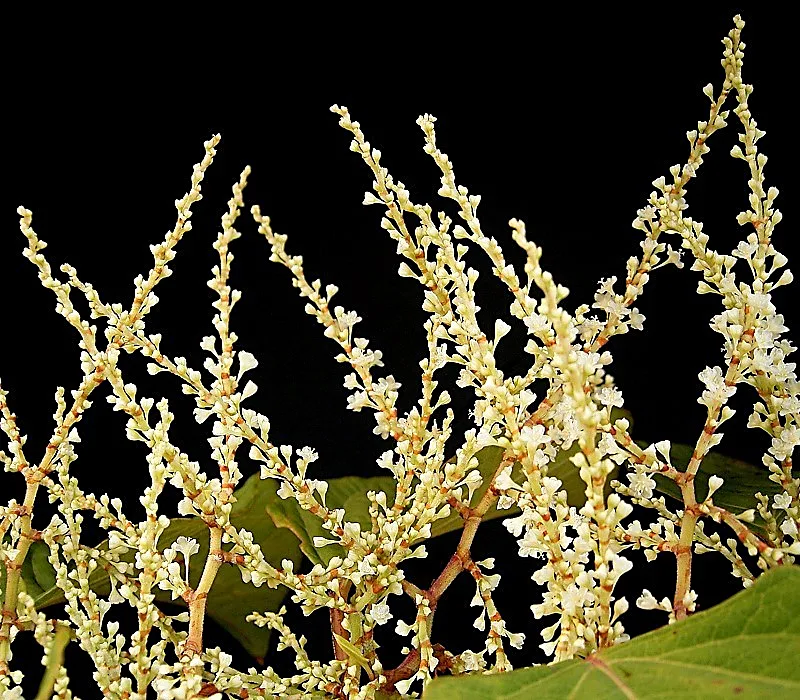
Resveratrol
Polygonum cuspidatumResveratrol 10–99% · HPLCView product →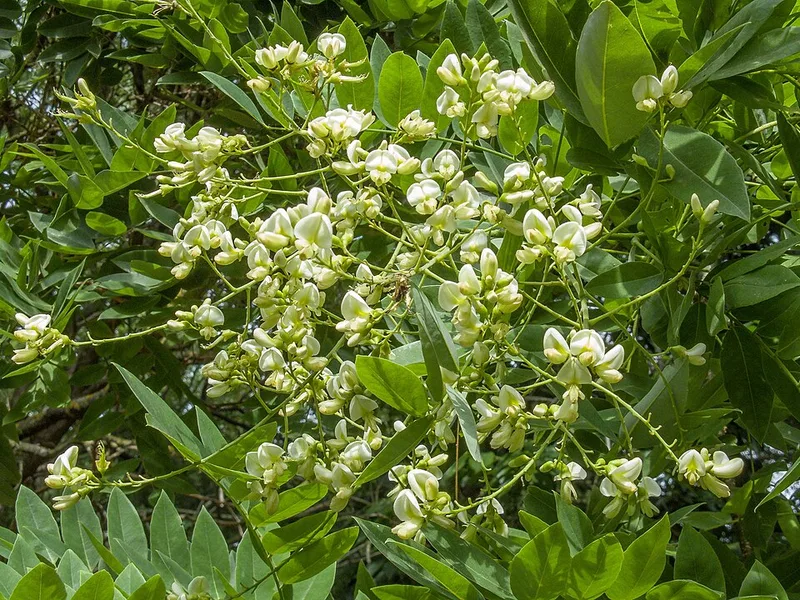
Quercetin & Rutin
Sophora japonica L.Quercetin 95% HPLC · Rutin 95% UV-VISView product →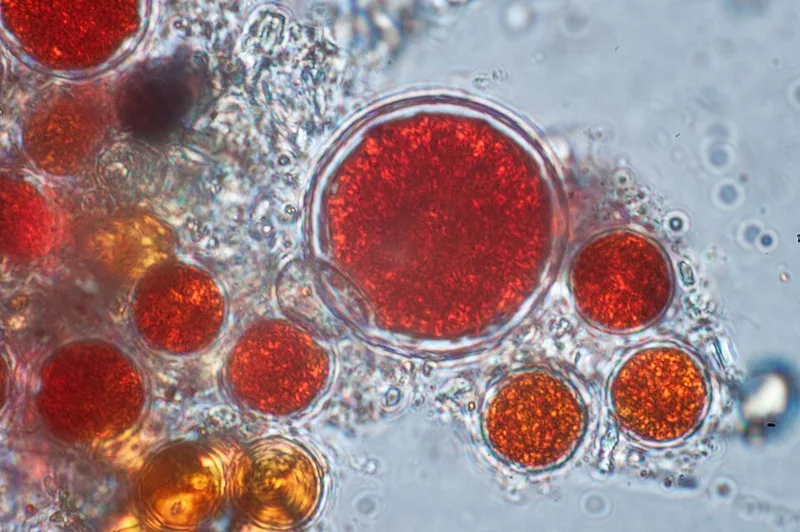
Astaxanthin
Haematococcus pluvialisPowder / oil — grade on enquiryView product →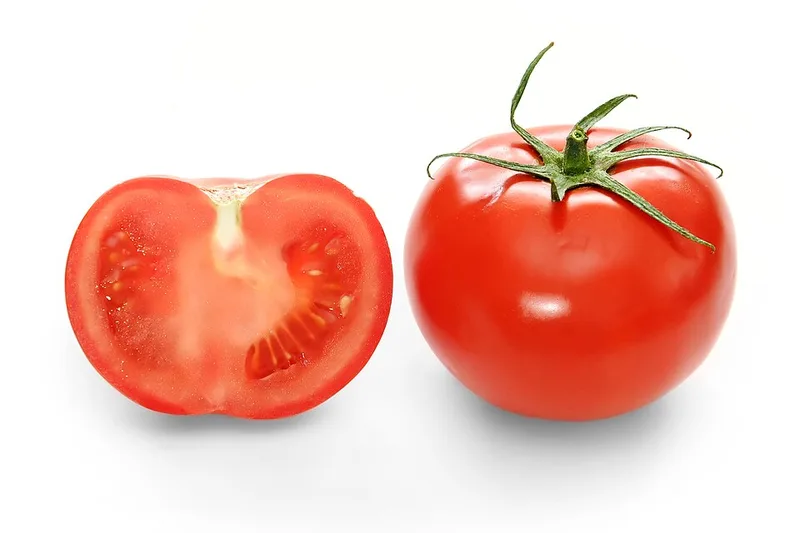
Lycopene
Solanum lycopersicum (tomato)Powder / oil — grade on enquiryView product →Further reading
See Reading a botanical extract COA: what buyers should check before ordering in our News & Blog — it links to this product and to the grades most often compared with it.