
Home / Products / Antioxidants & Eye Health
Antioxidants & Eye Health
Carotenoids, flavonoids and berry extracts for antioxidant and eye-health formulations. Formats matter here — powder, beadlet, oil and cold-water-dispersible grades behave differently in a finished product, so each page states the available formats.
11 products in this category
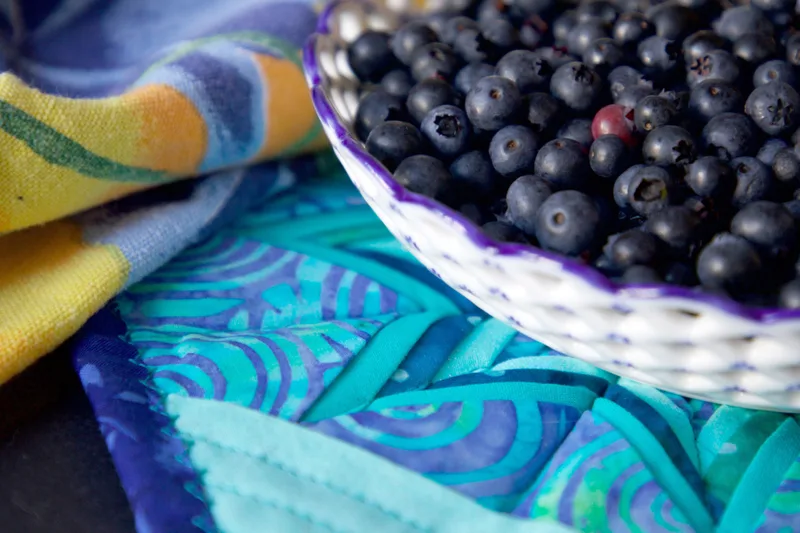
Antioxidants and eye-health ingredients are bought first by format and second by specification: this category covers 11 ingredients — lutein and zeaxanthin, resveratrol, quercetin and rutin, astaxanthin, lycopene, bilberry, cranberry, elderberry and goji berry extracts, troxerutin and ascorbyl palmitate — for antioxidant and eye-health formulations in capsules, tablets, softgels, gummies, powders and beverages. Lutein and zeaxanthin show why format matters. Both are carotenoids from marigold petals (Tagetes erecta), and the range lists lutein 5–90% powder, cold-water-dispersible (CWS) 5% and 10% grades, beadlets, oil suspensions of 10–30% and zeaxanthin 5–70%: a cold-water-dispersible powder disperses in a drink, a beadlet survives tableting and fills a hard capsule, and an oil suspension is made for softgels. The same split runs through the rest of the category — astaxanthin and lycopene are listed in powder and oil formats, and the sources used for this site describe beadlet, oleoresin and emulsion formats for both, with oil suspensions carried in safflower, sunflower or MCT oil. Stability is the shared practical problem for these ingredients, and it is a formulation fact, not a claim about effects: resveratrol has low water solubility and degrades with light, oxygen and heat, and trans-resveratrol isomerises to cis-resveratrol under UV light; astaxanthin degrades with light, heat and oxygen and is supplied as oleoresin, beadlet or emulsion; lycopene is sensitive to light, oxygen and heat and undergoes trans-to-cis isomerisation and oxidation. That is why beadlet and microencapsulated formats exist — to protect the active during processing and storage — and why storage, packaging and the COA matter as much as the assay. The berry extracts in this range are standardised on anthocyanins or proanthocyanidins: cranberry at proanthocyanidins 5–50%, bilberry on anthocyanidins, elderberry on anthocyanins and goji berry on polysaccharides, with the exact grade quoted on enquiry for several of them. Quercetin is listed at 95% by HPLC and rutin at 95% by UV-VIS; resveratrol at 10–99% by HPLC; ascorbyl palmitate at assay 95% or more (FCC) as food additive E304. For several ingredients — astaxanthin, lycopene, bilberry, cranberry, elderberry, goji berry and troxerutin — the grade is quoted on enquiry, so the assay, the form and the limits must be agreed on the specification sheet before ordering. Every product page states the specification where the catalogue lists one, and batch COAs are available on request. Certifications, minimum order quantity, packaging, lead time and price are not stated on this site: To be confirmed — ask sales at info@famerise.com.
Choosing the right grade
Choose by dosage form first, because the same active in the wrong format will not process well. For a softgel or a liquid-filled capsule, ask for an oil suspension — lutein 20% in safflower or sunflower oil, or an astaxanthin or lycopene oleoresin. For a hard capsule, a tablet or a gummy, ask for a beadlet or a microencapsulated powder, which flows, compresses and protects the active; lutein beadlets at 5% or 10% are the standard example. For a ready-to-drink beverage, a powdered drink or an effervescent tablet, ask for a cold-water-dispersible (CWS) grade, which disperses in cold water without an oil ring. For a high-dose powder or a premix, a standard powder at the assay you need — lutein up to 90%, resveratrol up to 99%, quercetin 95% — may be the right choice, but confirm flow, colour and solubility in your own base, because carotenoid powders are strongly coloured and poorly water-soluble in their unformulated form. Second, state the isomer and the assay method on the specification sheet: free lutein versus lutein esters, trans-resveratrol versus total resveratrol, and the lutein-to-zeaxanthin ratio where a blend is ordered. Third, check stability and storage on the COA and the specification sheet — light, oxygen and heat sensitivity, and the packaging that protects the grade you order. Where the grade is listed as 'on enquiry', agree the assay, the format and the limits in writing before ordering.
| Ingredient | Formats listed | Best dosage form | Check on the spec sheet |
|---|---|---|---|
| Lutein & zeaxanthin | Powder 5–90%; CWS 5/10%; beadlets; oil 10–30% | Softgels (oil); tablets/capsules (beadlets); drinks (CWS) | Free vs ester form; lutein-to-zeaxanthin ratio; HPLC assay |
| Resveratrol | Powder 10–99% | Capsules, tablets, powders | Trans vs total resveratrol; HPLC; light and oxygen protection |
| Quercetin & rutin | Quercetin 95% HPLC; rutin 95% UV-VIS | Capsules, tablets, powders | Assay method named (HPLC vs UV-VIS) |
| Astaxanthin | Powder / oil — grade on enquiry | Softgels (oleoresin/oil); capsules (beadlet) | Source, ester profile, format, stability |
| Lycopene | Powder / oil — grade on enquiry | Softgels (oil); tablets (beadlet) | Isomer profile, format, light/oxygen/heat sensitivity |
| Berry extracts | Bilberry, cranberry (PAC 5–50%), elderberry, goji — grade on enquiry | Capsules, tablets, powders, drinks | Marker (anthocyanins / proanthocyanidins / polysaccharides) and method |
| Ascorbyl palmitate | Assay ≥95% (FCC); E304 | Tablets, capsules, oil-based products | FCC assay; fat-soluble form — confirm the grade |
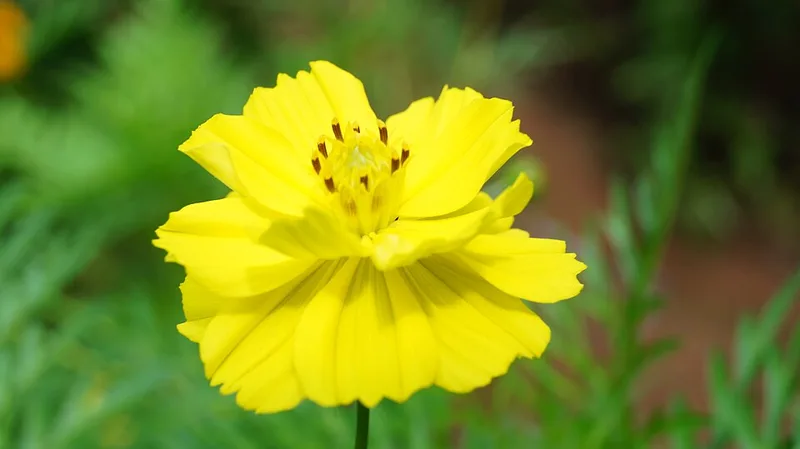
Lutein & Zeaxanthin
Tagetes erecta L. (marigold)Lutein 5–90% powder · CWS 5/10% · Beadlets · Oil 10–30% · Zeaxanthin 5–70%View product →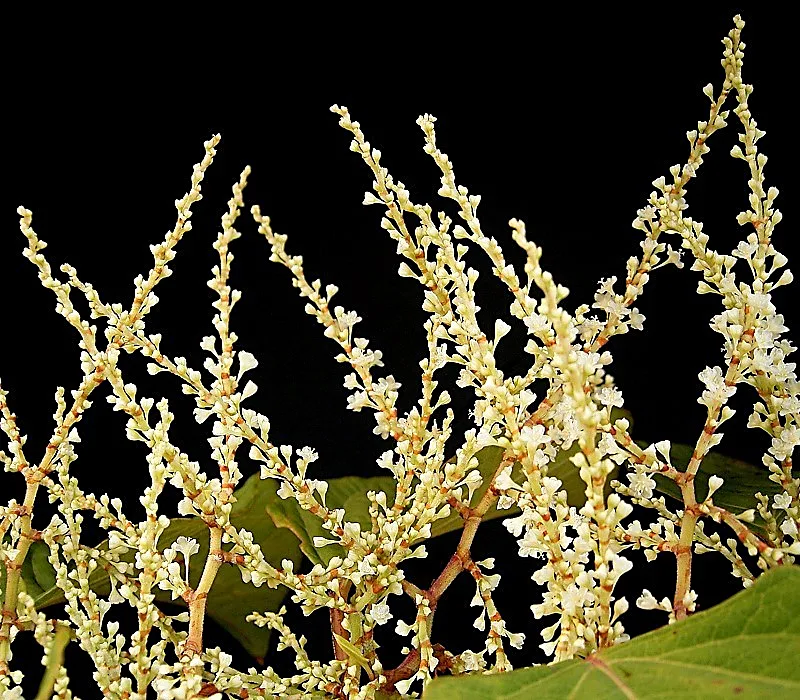
Resveratrol
Polygonum cuspidatumResveratrol 10–99% · HPLCView product →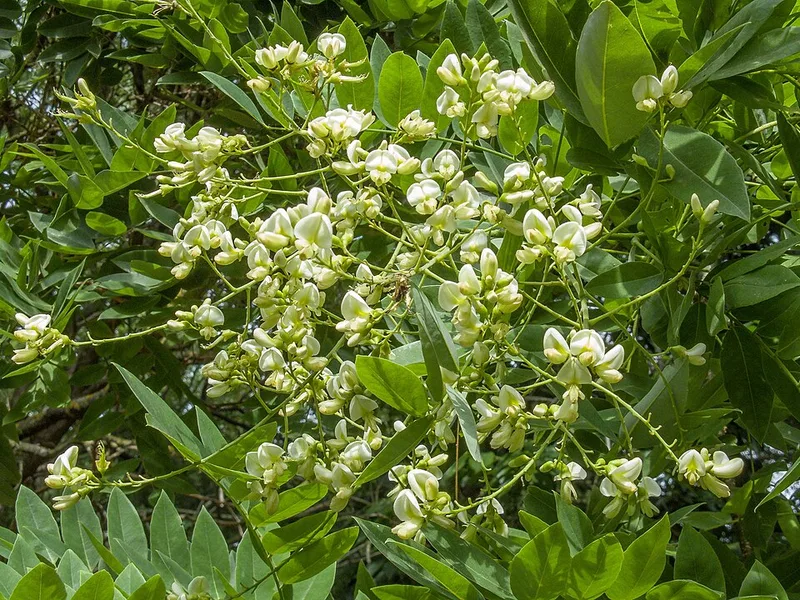
Quercetin & Rutin
Sophora japonica L.Quercetin 95% HPLC · Rutin 95% UV-VISView product →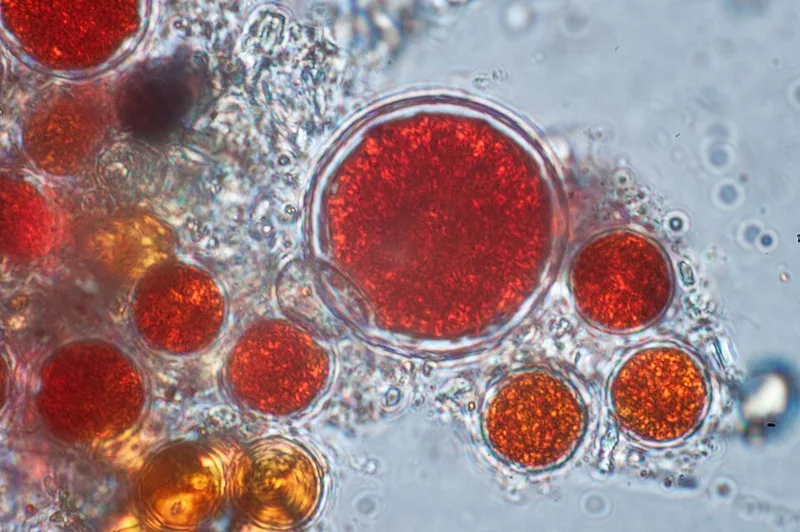
Astaxanthin
Haematococcus pluvialisPowder / oil — grade on enquiryView product →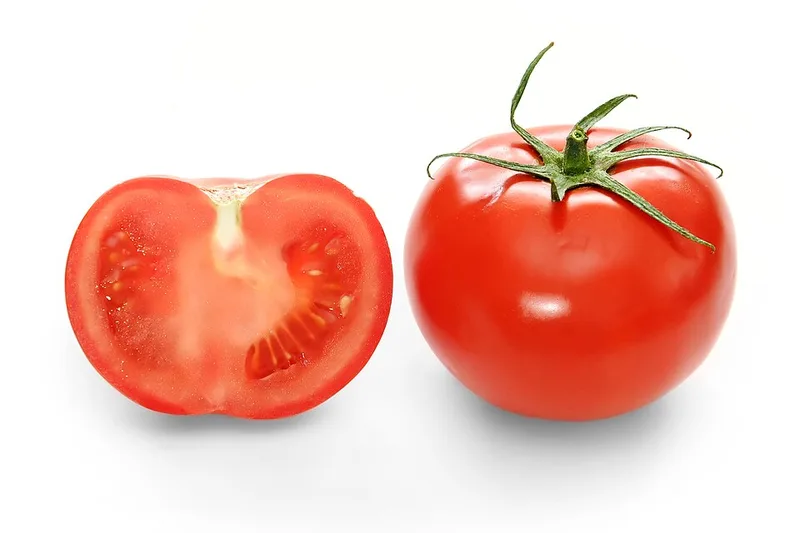
Lycopene
Solanum lycopersicum (tomato)Powder / oil — grade on enquiryView product →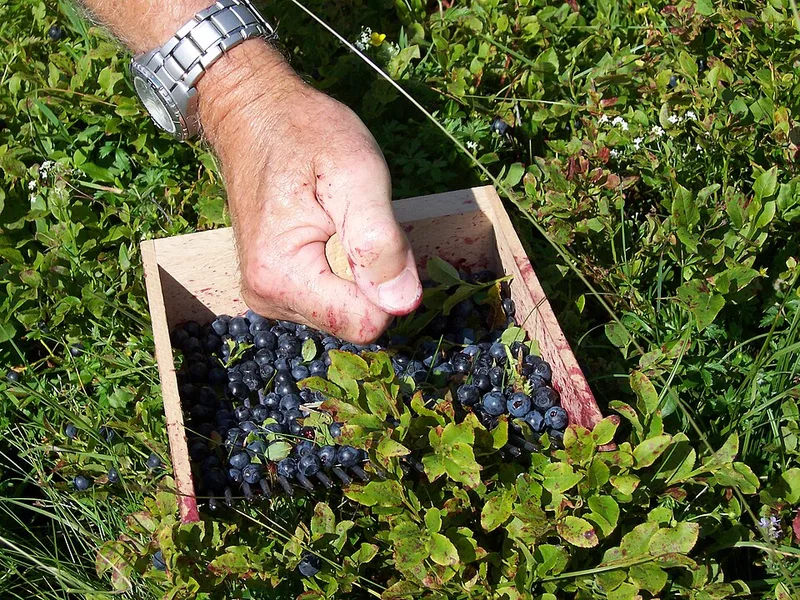
Bilberry Extract
Vaccinium myrtillusAnthocyanidins — grade on enquiryView product →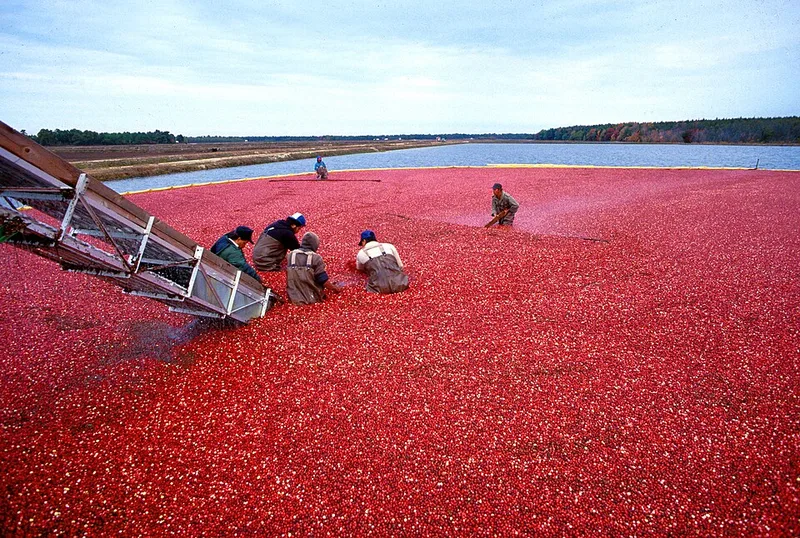
Cranberry Extract
Vaccinium macrocarpon L.Proanthocyanidins 5–50%View product →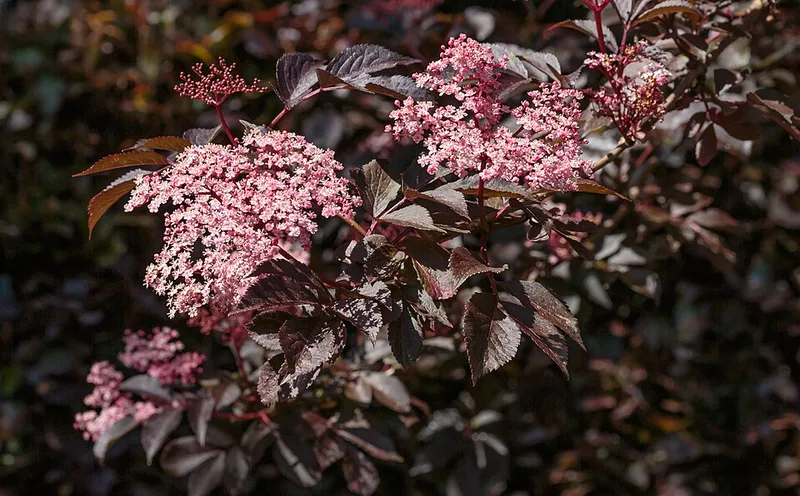
Elderberry Extract
Sambucus nigraAnthocyanins — grade on enquiryView product →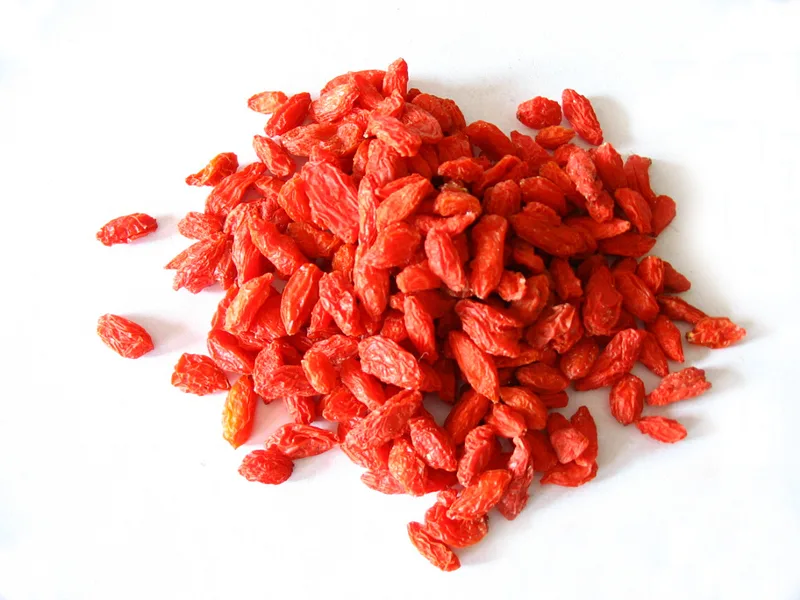
Goji Berry Extract
Lycium barbarumPolysaccharides — grade on enquiry (from the original product range)View product →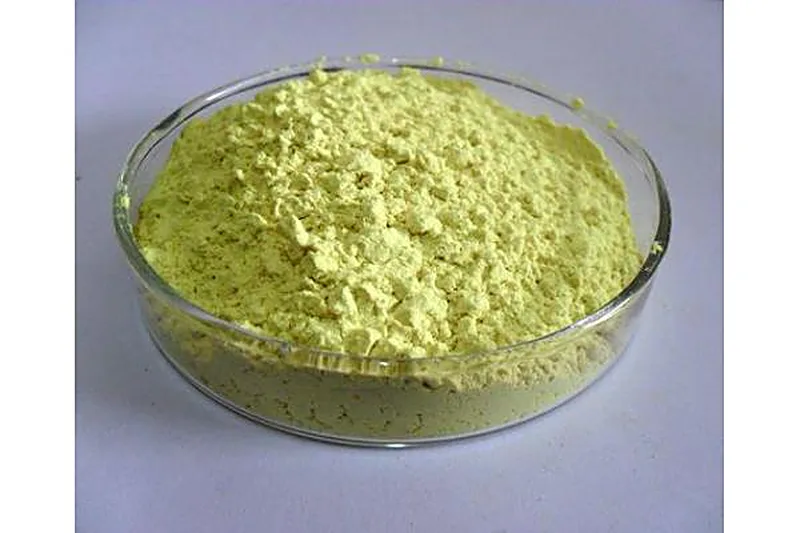
Troxerutin
Sophora japonica-derived flavonoidTroxerutin — grade on enquiry (from the original product range)View product →
Ascorbyl Palmitate
L-Ascorbic acid 6-palmitate (ester of ascorbic acid and palmitic acid)Assay ≥95% (FCC) · E304View product →Frequently asked questions
Which lutein format do I need for a softgel?
An oil suspension — lutein 10–30% in oil is listed for softgels and liquid-filled capsules. For tablets or hard capsules, ask for beadlets; for drinks, ask for a cold-water-dispersible (CWS) grade.
What is the difference between free lutein and lutein esters?
Free lutein is the unesterified carotenoid; lutein esters are the form found in marigold petals and are listed at 10–20%. State which form you need on the specification sheet, with the HPLC assay.
Why do resveratrol, astaxanthin and lycopene need protected formats?
All three are sensitive to light, oxygen and heat, and resveratrol and lycopene also isomerise under light. Beadlet, oleoresin and microencapsulated formats protect the active during processing and storage, so ask for a protected format.
What marker should I specify for a berry extract?
Name the marker and the method: anthocyanidins for bilberry, proanthocyanidins (5–50%) for cranberry, anthocyanins for elderberry and polysaccharides for goji berry. Confirm the exact grade on the specification sheet before ordering.
What is the minimum order quantity, packaging and lead time?
To be confirmed — ask sales at info@famerise.com. Tell sales the ingredient, the format and grade, the quantity you need and your destination so they can confirm the MOQ, pack size and lead time.
Can I get a sample and a COA before ordering?
Yes — samples and batch COAs are available on request. Contact sales at info@famerise.com with the product name, the grade you need and your target application, and tell sales how much you need for your trial.
Sources:
- Haoze Bio — Lutein Powder (marigold extract formats) — Lutein from marigold petals (Tagetes erecta): free lutein 5–20% HPLC, lutein esters 10–20%, cold-water-dispersible powder, microencapsulated beadlets.
- ACS Omega — RP-HPLC method for trans-resveratrol — Resveratrol has low solubility and degrades with light, oxygen and heat; UV causes isomerisation of trans- to cis-resveratrol.
- VegaLab — Astaxanthin: stability and absorption — Astaxanthin degrades with light, heat and oxygen; oleoresin, beadlet and emulsion formats; lipid-based uptake.
- Blue Eyes Bio — Tomato lycopene extract: isomers, sources and COA guide — Lycopene in oleoresin, beadlet and oil formats; light, oxygen and heat sensitivity.
- Ascorbyl palmitate — summary — Ascorbyl palmitate is the fat-soluble ester of ascorbic acid, food additive E304.
Other categories
- Natural Sweeteners — Stevia, monk fruit, sweet tea, erythritol, allulose, inulin, NHDC and ready-to-use blends — high-intensity and bulk sweeteners for sugar-reduced food and beverage formulations.
- Botanical Extracts — Ginseng, ginkgo, turmeric, milk thistle, green tea and classic plant extracts, standardised on a named active marker.
- Mushrooms & Immune — Reishi, shiitake, maitake, chaga and lion's mane (hericium) — fruiting-body extracts listed as the organic series in the company catalogue.
- Nutrition Ingredients — CoQ10, 5-HTP, fruit powders and juice concentrates, and functional nutrition actives from the original Fame Rise range.
Further reading
Our News & Blog article Reading a botanical extract COA: what buyers should check before ordering explains how to compare grades in this category on their assay, method and safety markers.