Home / News & Blog / Monk fruit and erythritol blends: building a 1× sugar replacement
Monk fruit and erythritol blends: building a 1× sugar replacement
2026-11-24 · Fame Rise Biotech Inc. · info@famerise.com
Key takeaways:
- A 1× blend replaces sugar spoon-for-spoon; 2× and 3× blends are dosed by weight and suit manufacturers who want less material per batch.
- Monk fruit extract supplies the sweetness (Mogroside V 50% is about 200× sugar); erythritol supplies the bulk, at 60–70% of sucrose sweetness, with low moisture absorption and good thermal stability.
- A blend is a system, not a mixture: each ingredient has a job — bulk, peak sweetness or taste correction — so specify the application, not just the sweetness factor.
- Erythritol does not take part in Maillard browning, so baked goods stay pale; allulose-based variants brown better. Choose the bulking agent for the application.
- Monk fruit extract is GRAS-notified in the US (GRN 706) but is not authorised as a food additive in the EU — confirm the rules for your target market before launch.
A high-intensity sweetener on its own solves only half the problem. Monk Fruit Extract at Mogroside V 50% is about 200 times sweeter than sugar, so a beverage needs only milligrams of it — but a cake recipe that calls for 200 g of sugar still needs 200 g of something in the bowl. That is the job of a blend.
The standard answer is erythritol. Erythritol is a zero-calorie bulk sweetener at 60–70% of the sweetness of sucrose, with low moisture absorption and good thermal stability. Mixed with monk fruit extract, it gives a system that behaves like sugar in the process while delivering the sweetness of the mogrosides. Fame Rise offers these blends at 1×, 2× and 3× sugar sweetness, in white or golden versions, with retail packs of 1–5 lb available on OEM — see Natural Sweetener Blends (OEM).
A 1× blend is made to replace sugar spoon-for-spoon, which is what tabletop and home-baking buyers want. A 2× or 3× blend is for manufacturers who want to use less material per batch and dose by weight. The right choice depends on the application: a 1× blend suits a consumer pack, while a 2× blend suits a factory that weighs ingredients and wants to cut freight and storage.
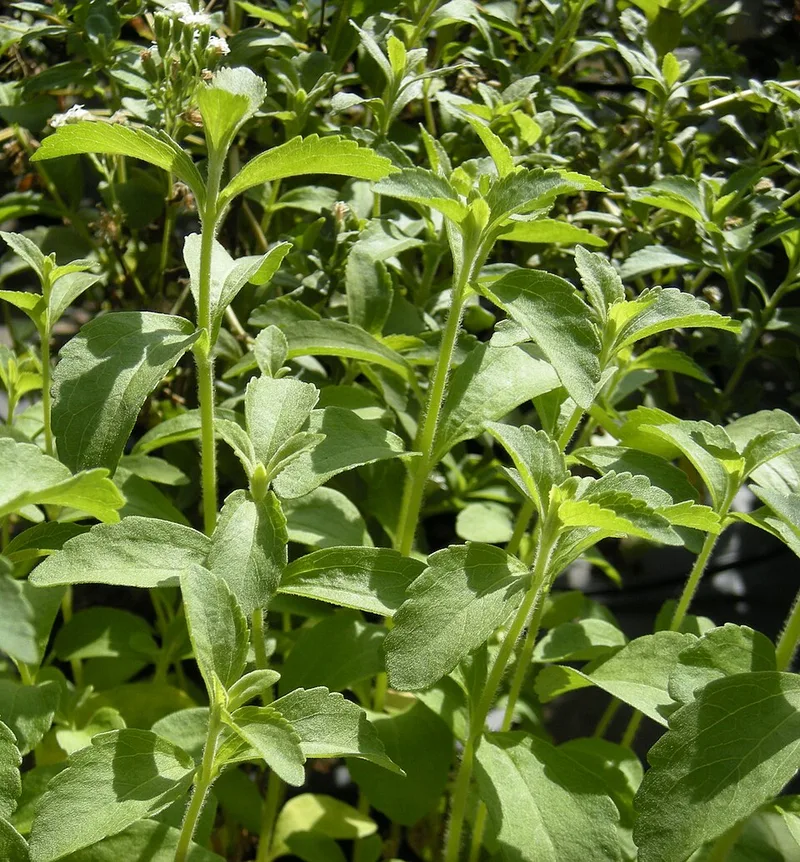
Two other ingredients are often part of the same system. Stevia Leaf Extract can be added in small amounts to adjust the sweetness curve, and Sweet Tea Extract (Rubusoside) — 140–200 times sweeter than sugar — can act as a flavour enhancer that rounds and modulates the taste profile. The point of a blend is not to pile sweeteners together, but to use each one for the job it does best: bulk, peak sweetness, or taste correction.
When you request a blend, tell the supplier the application, not just the sweetness factor. Baking, a carbonated drink and a tabletop pack need different bulking agents, different particle sizes and different stability. Ask for the blend composition, the assay method for each component, and a sample in your own base before you commit to a specification.
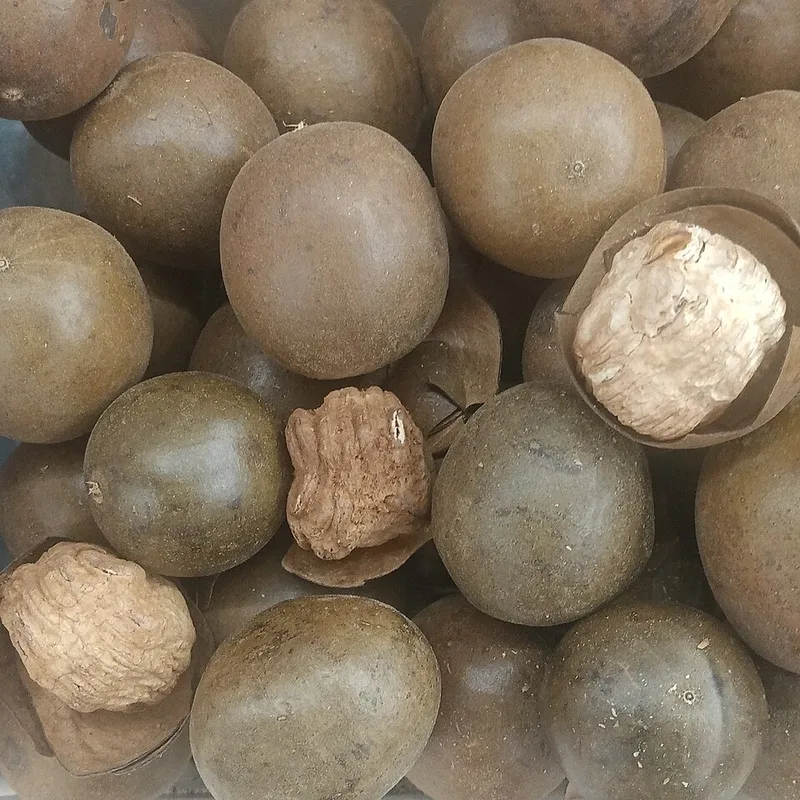
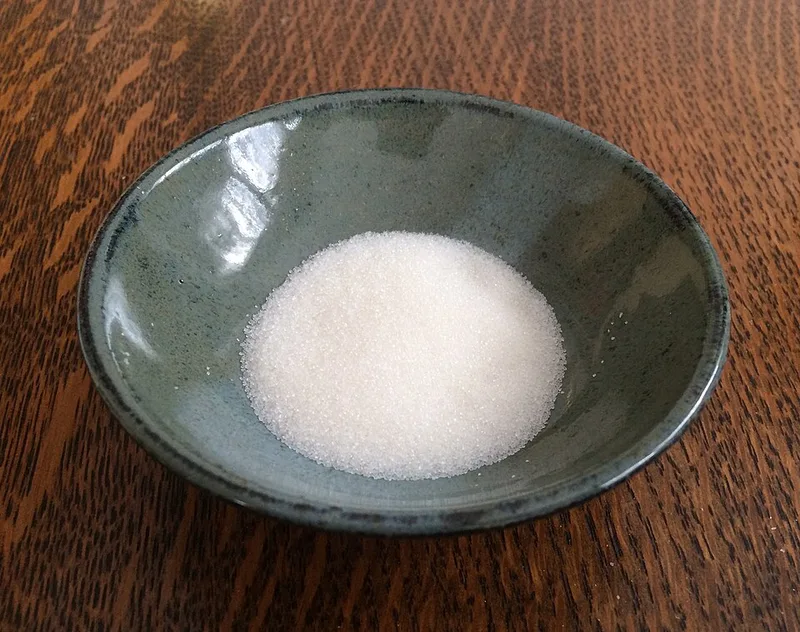
Photo: François Nguyen (CC BY 2.0)
Blend ratios: how a 1×, 2× and 3× system is built
A blend is built backwards from the sweetness multiple. A 1× blend is made to match sugar weight for weight, so it is mostly bulking agent — Erythritol — with only a small amount of Monk Fruit Extract doing the sweetening. A 2× blend delivers the same sweetness at half the weight of sugar, and a 3× blend at one third, because each kilo carries more high-intensity sweetener and less bulk. The exact composition of a blend is set per order and confirmed on the specification sheet, so the table below describes what each multiple is for, not a fixed recipe.
| System | Sweetness vs sugar | Weight needed to replace 100 g sugar | What it suits | How it is dosed |
|---|
| 1× blend | Equal to sugar | 100 g | Tabletop packs, home baking, retail packs of 1–5 lb | Spoon for spoon, cup for cup |
| 2× blend | Twice sugar | 50 g | Manufacturers dosing by weight who want less material per batch | By weight, at half the sugar weight |
| 3× blend | Three times sugar | About 33 g | Concentrated industrial use, drinks and dry mixes | By weight, at one third the sugar weight |
Two choices inside the blend change the result as much as the multiple does. The first is the Mogroside V grade: a 50% grade is roughly twice as sweet as a 25% grade, so the dose is roughly half, and higher grades also tend to taste cleaner, with less fruit character. The Fame Rise range runs from Mogroside V 20% (about 80× sugar) to 95% (about 380× sugar). The second is the bulking agent. Erythritol is the standard choice because it is a zero-calorie bulk sweetener at 60–70% of the sweetness of sucrose, with low moisture absorption and good thermal stability. D-Allulose, at about 70% of sucrose sweetness, is the alternative where browning is wanted, and Inulin can add soluble fibre and mouthfeel. When you request a blend, tell sales the application, the sweetness multiple, the bulk and browning behaviour you want, and whether the blend must be white or golden.
Baking, beverages and tabletop: matching the blend to the application
The same 1× blend behaves differently in a cake, a drink and a tabletop pack, because each application asks the bulking agent to do a different job. Start from the application, not from the sweetness factor.
- Baking. A 1× blend replaces sugar cup for cup, which is what home-baking buyers want, but erythritol does not take part in Maillard browning, so baked goods stay pale and may show a cooling note at high doses. If colour and aroma matter, ask about an allulose-based variant: allulose takes part in Maillard browning and caramelisation, giving colour in baking. Trial the blend in your own recipe and check colour, texture and crumb before scaling up.
- Beverages. Mogrosides are stable in acidic and alkaline food systems and dissolve fully in water, which is why monk fruit extract suits drinks, and the powder form of erythritol generally dissolves faster than granule in a liquid base. For liquid products, a juice concentrate at 65 Brix is also listed alongside the powder grades. Confirm the dose in the finished drink, because sweetness is perceived differently at serving temperature and with carbonation.
- Tabletop. This is the natural home of the 1× blend: spoon-for-spoon replacement, in white or golden versions, with retail packs of 1–5 lb available on OEM. Granule erythritol suits tabletop use and dry blends where a sugar-like crystal is wanted, while powder gives a smoother mouthfeel in fine products.
- Dairy, ice cream and confectionery. The blend supplies sweetness and bulk, but the bulking agent changes the texture: erythritol absorbs little moisture and stays stable, while inulin can add body in low-fat products. Trial the blend in the finished product rather than assuming a 1× replacement behaves like sugar in every respect.
Stevia Leaf Extract can be added in small amounts to adjust the sweetness curve, and Sweet Tea Extract (Rubusoside) — 140–200× sugar — can act as a flavour enhancer that rounds and modulates the taste profile. NHDC (Neohesperidin Dihydrochalcone) is another taste-correction tool at very low doses. The point of a blend is not to pile sweeteners together, but to use each one for the job it does best: bulk, peak sweetness, or taste correction. Ask for the blend composition, the assay method for each component, and a sample in your own base before committing to a specification.
Labelling and regulatory notes for monk fruit blends
Regulatory status is the first thing to check for a blend, because the components do not share the same status in every market. In the United States, monk fruit (Luo Han Guo) fruit extract has been the subject of FDA GRAS notices, including GRN 706, for use as a tabletop sweetener and general-purpose sweetener at levels set by current good manufacturing practice, and erythritol was reviewed in GRAS Notice 789 for uses including beverages, dairy, baked goods and confectionery. In the EU, monk fruit extract is not authorised as a food additive, so a monk fruit blend cannot be sold for the same uses there — confirm the rules for your target market and product category before launch, and do not assume a blend approved in one market is approved in another.
The other components have their own entries. Erythritol is listed in the EU as E 968, stevia as E 960 and NHDC as E 959, each with permitted categories and maximum levels set by local rules. D-allulose has a separate labelling point in the US: FDA guidance excludes it from total and added sugars on the Nutrition Facts label, while it still counts toward total carbohydrate at 0.4 kcal/g, and it is not approved in the EU or Canada. Labelling rules differ by market, so confirm them for your target market and category, and list the blend components as they appear on the specification sheet for the blend you order.
Two claims need care. Organic monk fruit extract and erythritol blends at 1× are listed in the catalogue, but the organic scope for a specific blend is to be confirmed before ordering — do not claim organic on pack until sales has confirmed the certification scope for that blend. The same applies to any other certification: the scope for a specific blend is to be confirmed, and it is not claimed on this site. Minimum order quantity, bulk pack size and lead time are also to be confirmed — ask sales at info@famerise.com with the blend, quantity and destination.
Frequently asked questions
How much monk fruit blend replaces 100 g of sugar?
A 1× blend replaces 100 g of sugar with 100 g of blend, a 2× blend with 50 g, and a 3× blend with about 33 g, for equal sweetness. Check the blend specification sheet for the exact multiple, and trial it in your recipe — baking may need a bulk adjustment even at the right sweetness.
Why does my monk fruit blend taste cool or minty?
That cooling note comes from erythritol, the bulking agent, and it is more noticeable at high doses. Reduce the erythritol share, use a higher Mogroside V grade so less blend is needed, or ask about an allulose-based variant, and trial the change in your own base.
Can I use a 1× blend in baking?
Yes — a 1× blend replaces sugar cup for cup, which is what baking needs. But erythritol does not brown, so cakes and biscuits stay pale; for colour and aroma, ask about an allulose-based variant, which takes part in Maillard browning. Trial the blend in your recipe first.
What is the difference between white and golden blends?
White and golden are the two appearance options listed for the blends, and the sweetness multiple (1×, 2× or 3×) is specified separately. Tell sales which appearance suits your application and confirm the composition on the specification sheet for the blend you order.
Is monk fruit allowed in the EU?
Monk fruit extract is not authorised as a food additive in the EU. In the US it has been the subject of FDA GRAS notices, including GRN 706, for tabletop and general-purpose use. Confirm the rules for your target market and product category before launch.
Sources:
- FDA Agency Response Letter, GRAS Notice No. GRN 000706, Siraitia grosvenorii (Luo Han Guo) fruit extract — US GRAS status of monk fruit extract for tabletop and general-purpose use at good manufacturing practice levels.
- FDA GRAS Notice (GRN) No. 706, Siraitia grosvenorii (Luo Han Guo) fruit extract — GRAS notice for Luo Han Guo fruit extract; also lists GRN 629.
- FDA Agency Response Letter, GRAS Notice No. GRN 000789, erythritol — US GRAS status of erythritol for beverages, dairy, baked goods and confectionery.
- FDA GRAS Notice (GRN) No. 1029, D-allulose (D-psicose) — D-allulose at about 70% of sucrose sweetness; US labelling exclusion from total and added sugars at 0.4 kcal/g.
- EPO Patent EP3736280, sweetener composition with rubusoside — Rubusoside sweetness about 200× sucrose and thermal stability in aqueous solution at pH 3–12.
- Fame Rise Biotech — Natural Sweetener Blends (OEM) product page — Catalogue blend systems: 1×, 2× and 3× sugar sweetness, white or golden, retail packs 1–5 lb on OEM.
Products mentioned in this article
← All articles · Browse products