
Home / Products / Natural Sweeteners / NHDC (Neohesperidin Dihydrochalcone)
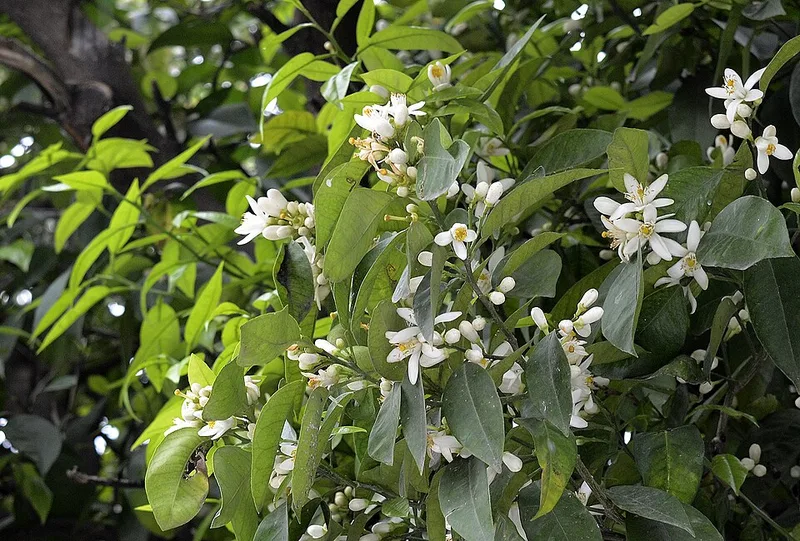
Photo: Wikimedia Commons by Zeynel Cebeci (CC BY-SA 4.0)
NHDC (Neohesperidin Dihydrochalcone)
An intense sweetener and flavour modifier valued for bitter-taste masking and taste-profile correction at very low dosage.
At a glance: An intense sweetener and flavour modifier valued for bitter-taste masking and taste-profile correction at very low dosage.
| Source | Citrus L. |
|---|---|
| Part used | Citrus |
| Form | Powder |
| Specification | 96–98% · 1,500–1,800× sugar at threshold |
| Test method | HPLC |
Specification
| Product | NHDC (Neohesperidin Dihydrochalcone) |
|---|---|
| Botanical / source name | Citrus L. |
| CAS number | 20702-77-6 |
| Specification | 96–98% · 1,500–1,800× sugar at threshold |
| Appearance | Fine powder |
| Form | Powder |
| Plant part / source | Citrus |
| Solubility | Soluble in water at low dose |
| Test method | HPLC |
Grades & forms
NHDC 96–98%. 1,500–1,800× sweeter than sugar at threshold concentrations.
NHDC 96–98% as a fine powder; confirm the assay and the maximum use level for your market and category on the specification sheet.
How to use — formulation notes
NHDC is an intense citrus-derived sweetener, 1,500–1,800 times sweeter than sugar at threshold concentrations and about 340 times at practical beverage concentrations, with a slow onset and a lingering liquorice-like finish. Its main formulation value is as a flavour modifier: at very low doses it masks bitter tastes and smooths stevia and other sweetener profiles, with a synergistic effect alongside other sweeteners. It is approved in the EU as E959, and FDA issued a no-objection letter to its GRAS use as a sweetener at 10–1000 ppm in various food categories. Confirm the use level for your target market/category. Store sealed, cool and dry.
It is often compared with Stevia Leaf Extract and Monk Fruit Extract in the same Natural Sweeteners range — see the related products below — and the How to formulate with stevia: choosing Reb A, Reb M and glucosyl grades guide in our News & Blog covers how buyers compare grades like this one.
Applications
- ✓Food
- ✓beverages
- ✓healthcare products
- ✓cosmetics
Typical uses are listed from the company catalogue. Confirm the grade, the permitted use level and the local rules for your target market before launch.
In the finished product
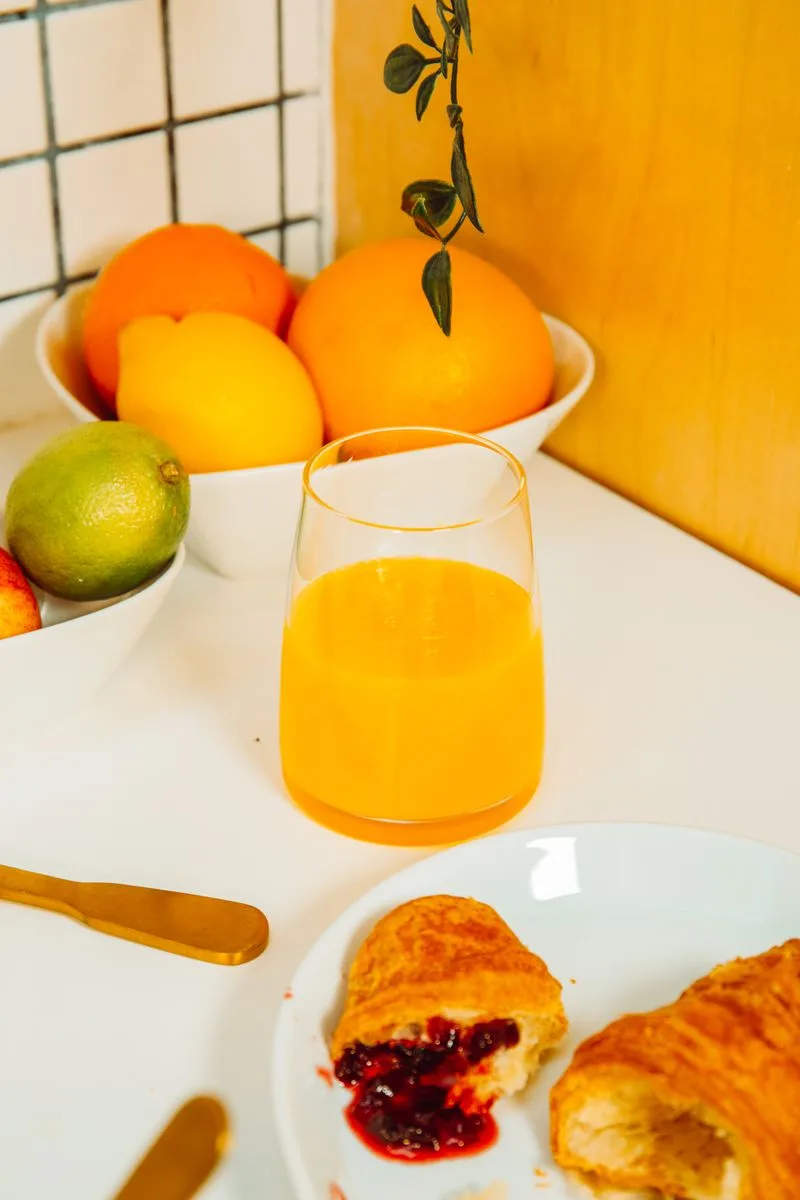
Glass of fresh orange juice with oranges, lime and a croissant on a breakfast table — a typical application for this ingredient.
- Certifications (ISO, Halal, Kosher, Organic, cGMP) — scope to be confirmed; not claimed on this site
- MOQ, packaging, lead time and price — To be confirmed; ask sales
- Loss on drying, heavy metals, pesticide residues and microbiological limits — confirm on the batch COA
Frequently asked questions
What is NHDC used for?
As a functional sweetener and flavour modifier — it inhibits bitter taste and modifies the flavour profile at very low doses, so it is often used in combination with other sweeteners rather than on its own.
How much NHDC is used?
Very little — it is 1,500–1,800 times sweeter than sugar at threshold, so doses are measured in parts per million. Follow local use limits for your market.
Can I get a COA and a sample?
Yes — batch COAs are available on request. Contact sales at info@famerise.com with the product name, the grade you need and your target application.
What is the minimum order quantity, packaging and lead time for NHDC?
To be confirmed — ask sales at info@famerise.com. Tell sales the quantity you need and your destination so they can confirm the MOQ, pack size and lead time; no MOQ, packaging or lead time is stated on this page.
How is NHDC different from using stevia alone?
NHDC is used at very low doses as a flavour modifier rather than as the main sweetener. It masks bitter notes and rounds the sweetness curve, so formulators often add a small amount of NHDC to a stevia or monk fruit system and trial the blend in their own base.
Where is NHDC permitted as a sweetener?
NHDC is approved in the EU as sweetener E959, and FDA issued a no-objection letter to its GRAS use as a sweetener in various food categories. Permitted categories and maximum levels differ by market, so confirm the rules for your target market and category before launch.
Specification basis: PlantExtract.pdf — NHDC. Figures are typical catalogue values; the batch COA is the binding document for the lot you receive.
Formulation notes — sources:
- Neohesperidin dihydrochalcone: 1,500–1,800× sucrose at threshold, E959, FDA GRAS no-objection at 10–1000 ppm, USP/EP listed — https://en.wikipedia.org/wiki/Neohesperidin_dihydrochalcone
Related products
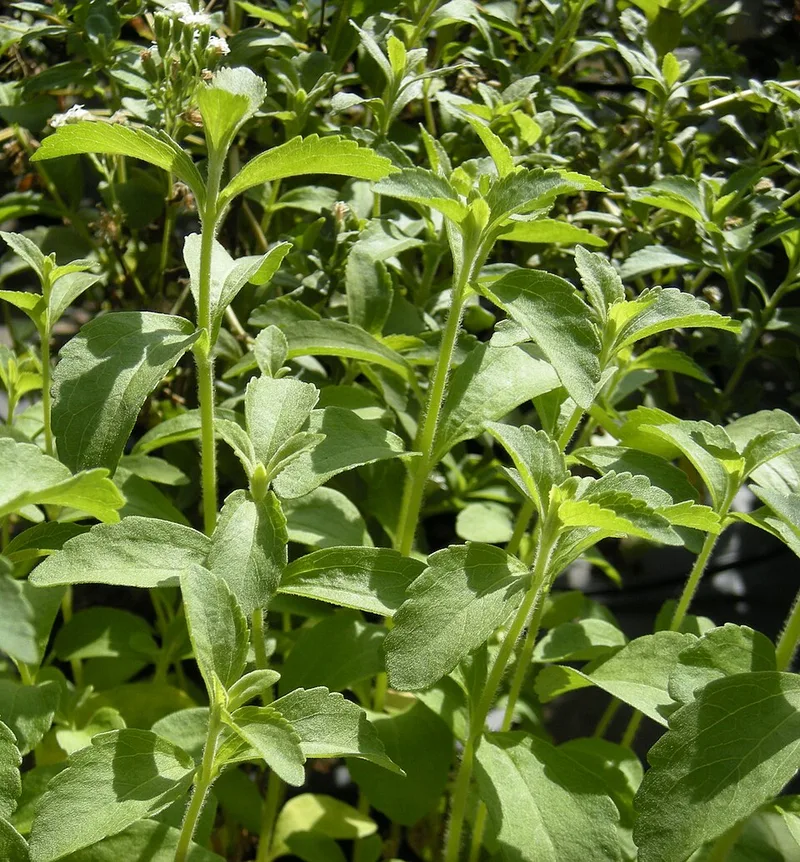
Stevia Leaf Extract
Stevia rebaudiana (Bertoni) HemslSteviol glycosides 80–99% · Reb A 40–99% · Reb D/M 95% · HPLCView product →
Monk Fruit Extract
Siraitia grosvenoriiMogroside V 20–95% · Juice concentrate 65 BrixView product →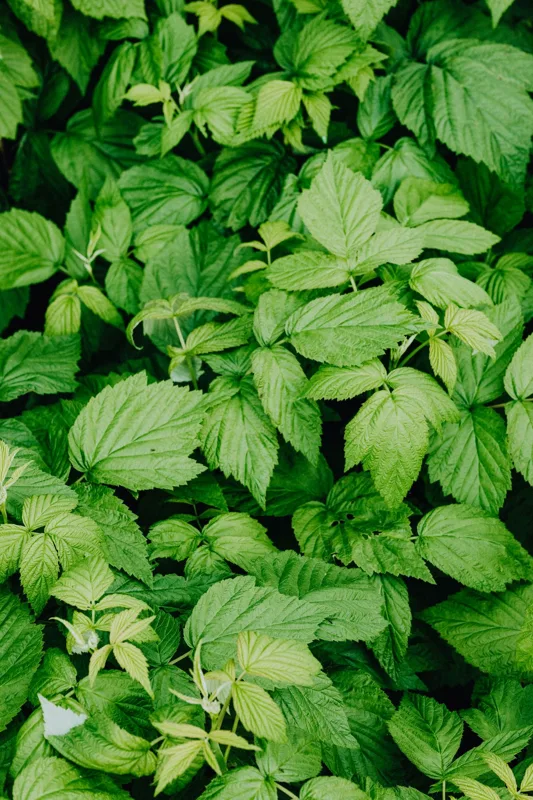
Sweet Tea Extract (Rubusoside)
Rubus suavissimus S. LeeRubusoside 70–98% · Polyphenols 20% · HPLCView product →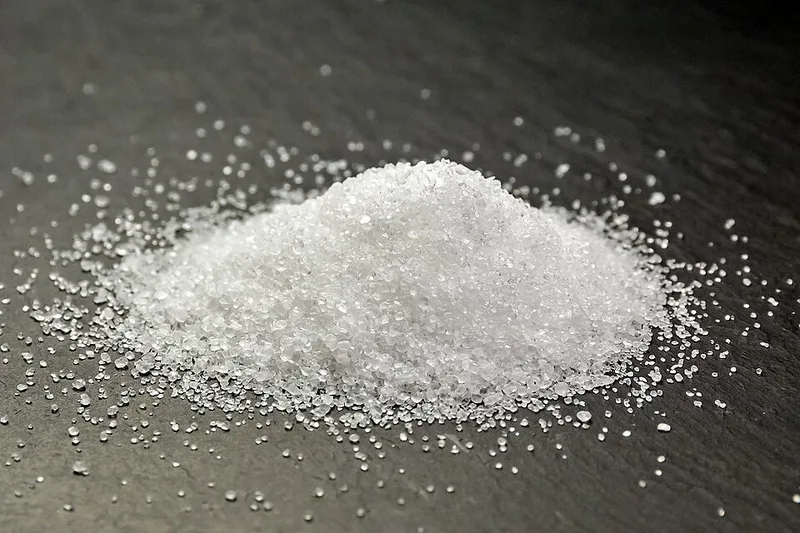
Erythritol
— (fermentation-derived polyol)Powder & granule · 60–70% sweetness of sucroseView product →Further reading
See How to formulate with stevia: choosing Reb A, Reb M and glucosyl grades in our News & Blog — it links to this product and to the grades most often compared with it.