
Home / Products / Natural Sweeteners / D-Allulose
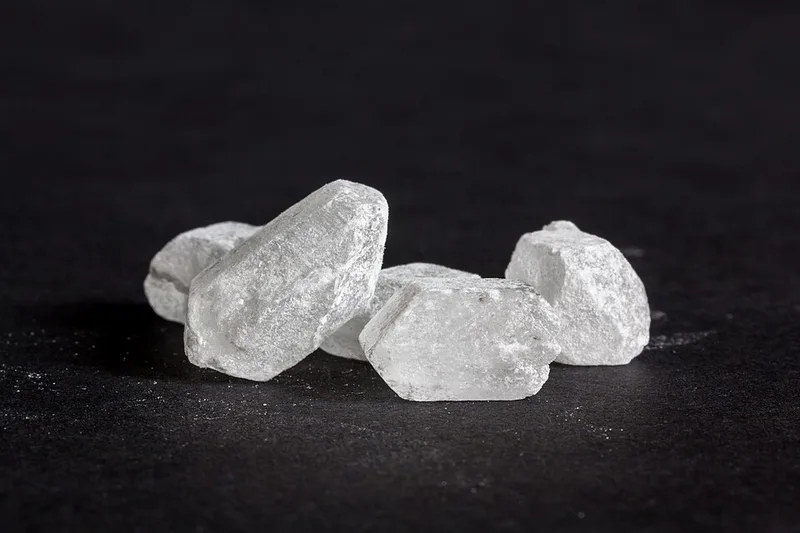
Photo: Wikimedia Commons by Dietmar Rabich (CC BY-SA 4.0)
D-Allulose
A rare sugar found in small amounts in foods such as kiwi and figs, with a clean sucrose-like taste and Maillard browning for baked goods.
At a glance: A rare sugar found in small amounts in foods such as kiwi and figs, with a clean sucrose-like taste and Maillard browning for baked goods.
| Source | — (rare sugar) |
|---|---|
| Part used | Rare sugar |
| Form | Powder |
| Specification | Powder · Sweetness ~70% of sucrose · Sucrose-like taste, not metabolised as sugar |
| Test method | HPLC |
Specification
| Product | D-Allulose |
|---|---|
| Botanical / source name | — (rare sugar) |
| CAS number | 551-68-8 |
| Specification | Powder · Sweetness ~70% of sucrose · Sucrose-like taste, not metabolised as sugar |
| Appearance | White powder |
| Form | Powder |
| Plant part / source | Rare sugar |
| Solubility | Soluble in water |
| Test method | HPLC |
Grades & forms
Sweetness about 70% of sucrose, as quoted in public catalogues (confirmed by the user on 2026-11-24). Similar taste to sucrose, not metabolised as sugar; participates in the Maillard reaction, giving colour and aroma in baking.
Single powder grade listed, at about 70% of sucrose sweetness; confirm the assay and particle form on the specification sheet before ordering.
How to use — formulation notes
D-allulose is a rare sugar at about 70% of sucrose sweetness, with a clean sucrose-like taste and very high water solubility. Unlike high-intensity sweeteners it supplies bulk and mouthfeel, and it takes part in Maillard browning and caramelisation, giving colour and aroma in baking, dairy, ice cream and beverages. FDA has reviewed D-allulose in several GRAS notices, including GRN 1029, and US labelling excludes it from total and added sugars at 0.4 kcal/g. Confirm the use level for your target market/category, and note it is not approved in the EU or Canada. Store sealed, cool and dry.
It is often compared with Stevia Leaf Extract and Monk Fruit Extract in the same Natural Sweeteners range — see the related products below — and the How to formulate with stevia: choosing Reb A, Reb M and glucosyl grades guide in our News & Blog covers how buyers compare grades like this one.
Applications
- ✓Baked goods
- ✓candies
- ✓sweet sauces
- ✓dairy
- ✓ice cream
- ✓desserts
- ✓beverages
Typical uses are listed from the company catalogue. Confirm the grade, the permitted use level and the local rules for your target market before launch.
In the finished product
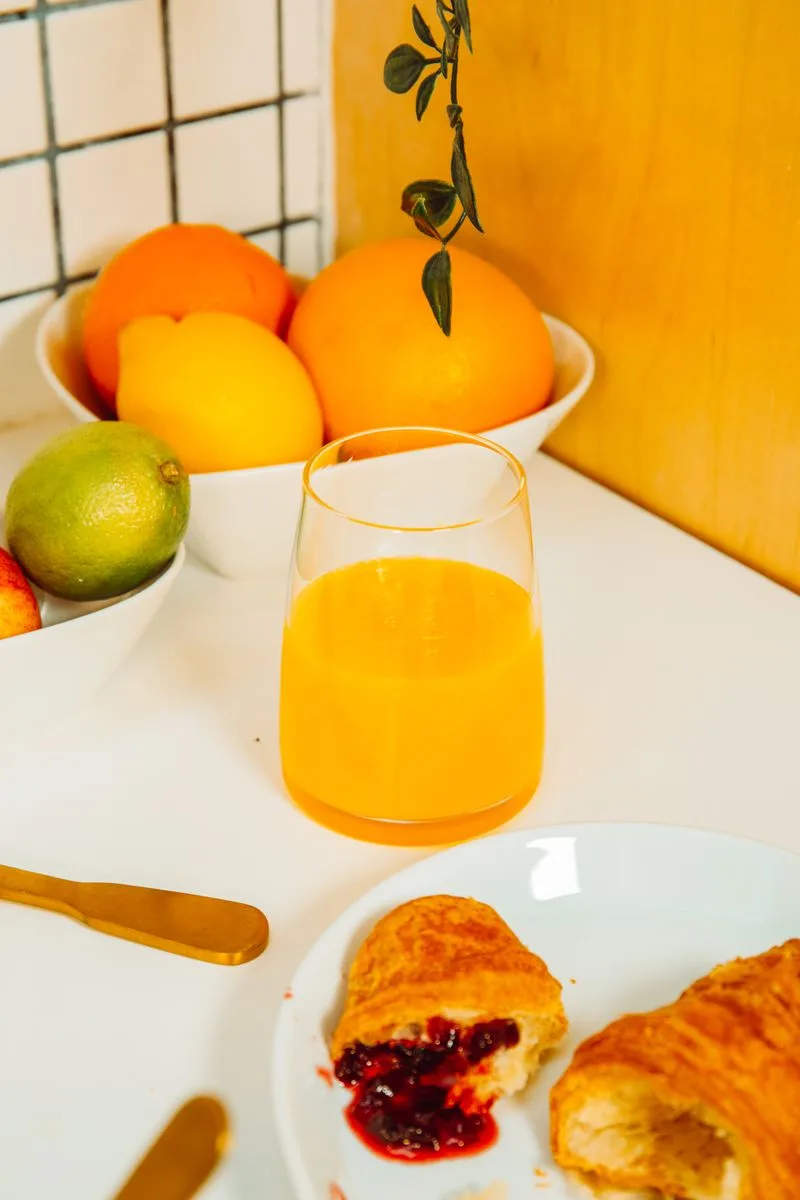
Glass of fresh orange juice with oranges, lime and a croissant on a breakfast table — a typical application for this ingredient.
- Certifications (ISO, Halal, Kosher, Organic, cGMP) — scope to be confirmed; not claimed on this site
- MOQ, packaging, lead time and price — To be confirmed; ask sales
- Loss on drying, heavy metals, pesticide residues and microbiological limits — confirm on the batch COA
Frequently asked questions
What is D-allulose?
A rare sugar found in small amounts in foods such as kiwi and figs. It tastes similar to sucrose but is not metabolised by the body as sugar.
Why do sweetness figures for allulose differ?
Published sweetness values vary by test method and concentration — this site uses about 70% of sucrose, the figure most public catalogues quote, as confirmed by the user on 2026-11-24. Confirm the grade against your own sensory panel rather than relying on a single number.
Can I get a COA and a sample?
Yes — batch COAs are available on request. Contact sales at info@famerise.com with the product name, the grade you need and your target application.
What is the minimum order quantity, packaging and lead time for D-allulose?
To be confirmed — ask sales at info@famerise.com. Tell sales the quantity you need and your destination so they can confirm the MOQ, pack size and lead time; no MOQ, packaging or lead time is stated on this page.
Can D-allulose replace sugar 1:1 in baking?
Not by weight for equal sweetness, because allulose is about 70% as sweet as sucrose, so more is needed for the same sweetness. It does supply sugar-like bulk and browning, so trial the adjusted dose in your own recipe and check colour and texture before scaling up.
How is D-allulose labelled in the US?
In the US, FDA guidance excludes allulose from total and added sugars on the Nutrition Facts label, while it still counts toward total carbohydrate at 0.4 kcal/g. Labelling rules differ by market, so confirm the rules for your target market and category before launch.
Specification basis: PlantExtract.pdf — D-Allulose. Figures are typical catalogue values; the batch COA is the binding document for the lot you receive.
Formulation notes — sources:
- FDA GRAS Notice (GRN) No. 1029, D-allulose (D-psicose), about 70% as sweet as sucrose — https://www.fda.gov/media/159396/download
- Allulose (D-psicose): GRAS status, 70% of sucrose sweetness, 0.4 kcal/g, Maillard browning, EU/Canada status — https://en.wikipedia.org/wiki/Psicose
Related products
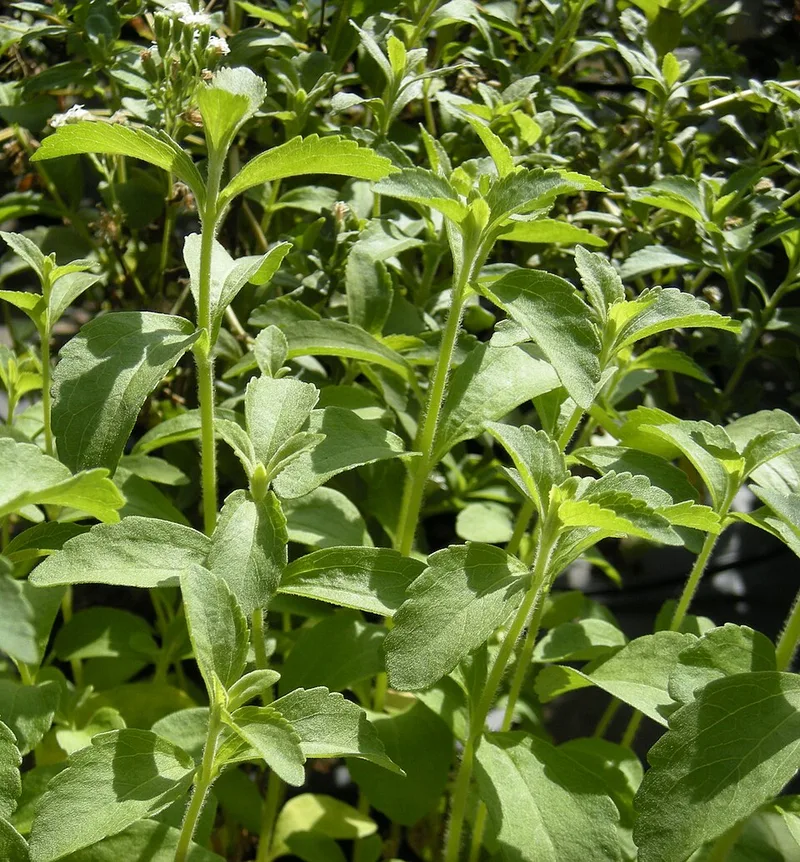
Stevia Leaf Extract
Stevia rebaudiana (Bertoni) HemslSteviol glycosides 80–99% · Reb A 40–99% · Reb D/M 95% · HPLCView product →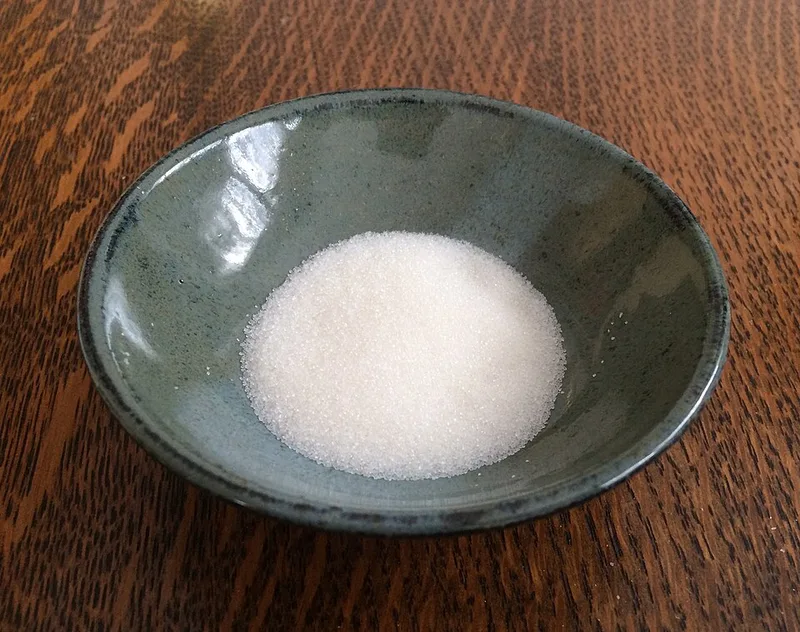
Monk Fruit Extract
Siraitia grosvenoriiMogroside V 20–95% · Juice concentrate 65 BrixView product →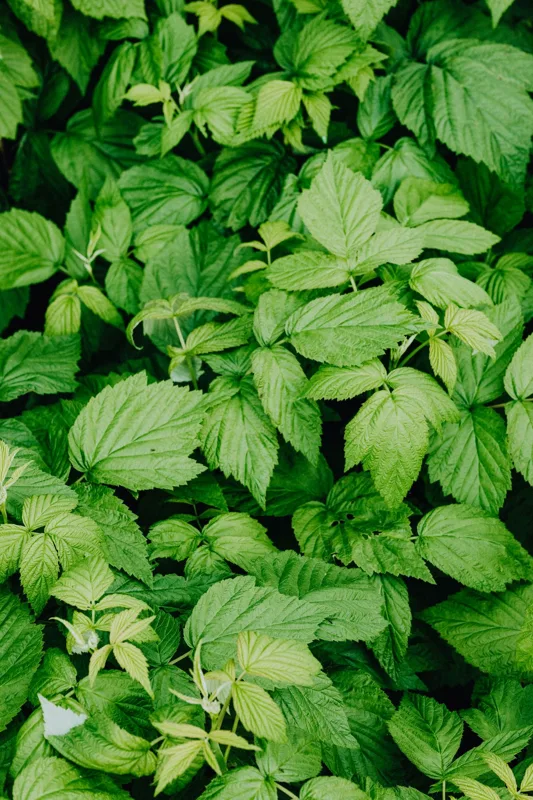
Sweet Tea Extract (Rubusoside)
Rubus suavissimus S. LeeRubusoside 70–98% · Polyphenols 20% · HPLCView product →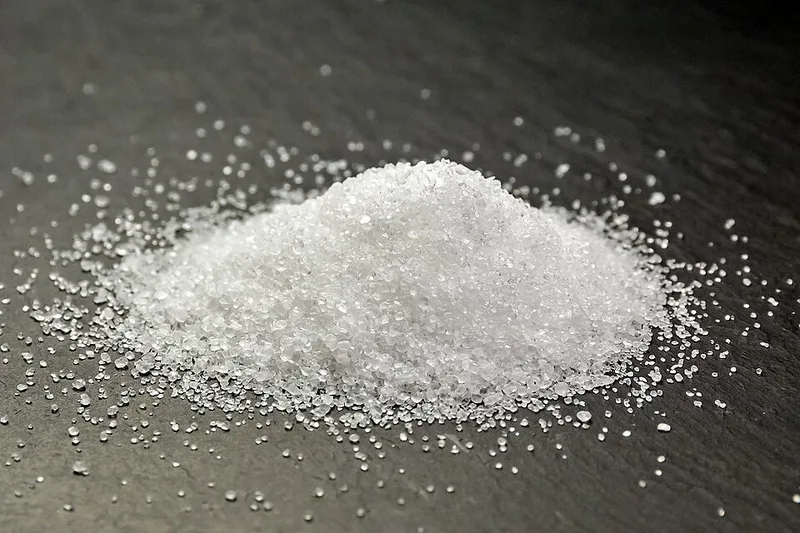
Erythritol
— (fermentation-derived polyol)Powder & granule · 60–70% sweetness of sucroseView product →Further reading
See How to formulate with stevia: choosing Reb A, Reb M and glucosyl grades in our News & Blog — it links to this product and to the grades most often compared with it.