
Home / Products / Nutrition Ingredients / White Peony Root Extract
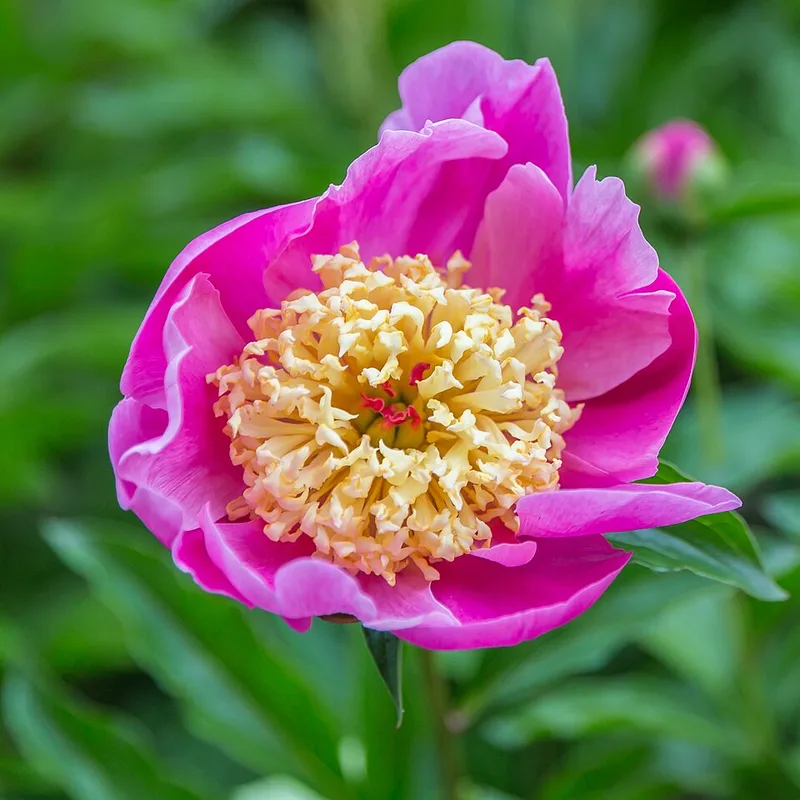
Photo: Wikimedia Commons by Another one of my pictures: This photograph was taken by Medium69 (William Crochot) and released under the license stated below. You are free to use it for any purpose as long as you credit the author (William Crochot), the Source (Wikimedia Commons) and the license (CC-BY-SA 4.0) in close relation to the image. Please do not upload an updated image here without consultation with the Author. The author would like to make corrections only at his own source RAW. This ensures that the changes are preserved.Please if you think that any changes should be required, please inform the author.Otherwise you can upload a new image with a new name. Please use one of the templates derivative or extract. (CC BY-SA 4.0)
White Peony Root Extract
Traditional root extract standardised on paeoniflorin for supplement and cosmetic formulations.
At a glance: Traditional root extract standardised on paeoniflorin for supplement and cosmetic formulations.
| Source | Paeonia lactiflora |
|---|---|
| Part used | — |
| Form | Powder |
| Specification | Paeoniflorin — grade on enquiry |
| Test method | HPLC |
Specification
| Product | White Peony Root Extract |
|---|---|
| Botanical / source name | Paeonia lactiflora |
| CAS number | 23180-57-6 |
| Specification | Paeoniflorin — grade on enquiry |
| Appearance | Fine powder — exact colour by grade; confirm on the COA |
| Form | Powder |
| Plant part / source | — |
| Solubility | Confirm solubility for the grade ordered — it varies by format |
| Test method | HPLC |
Grades & forms
Paeoniflorin — grade on enquiry
Public catalogues list paeoniflorin grades from 10% to 98% by HPLC; the Fame Rise grade is on enquiry, so confirm the paeoniflorin content and the assay method on the specification sheet before ordering.
How to use — formulation notes
White peony root extract is standardised on paeoniflorin, the monoterpene glycoside marker from Paeonia lactiflora root, and is assayed by HPLC. Supplier technical sheets describe the standardised extract grades as water-soluble powders, while pure paeoniflorin itself behaves differently, so confirm solubility and clarity for the grade ordered in your own base. One supplier reports paeoniflorin solubility of about 52.3 mg/mL in water at 25 C and stability at pH 3.0-7.0, with hydrolysis possible in strongly alkaline conditions. It suits capsules, tablets, beverages and cosmetic emulsions; store sealed in a cool, dry place and confirm the grade and use level for your application.
It is often compared with Coenzyme Q10 (CoQ10) and 5-HTP in the same Nutrition Ingredients range — see the related products below — and the Reading a botanical extract COA: what buyers should check before ordering guide in our News & Blog covers how buyers compare grades like this one.
Applications
- ✓Supplements
- ✓cosmetics
Typical uses are listed from the company catalogue. Confirm the grade, the permitted use level and the local rules for your target market before launch.
In the finished product
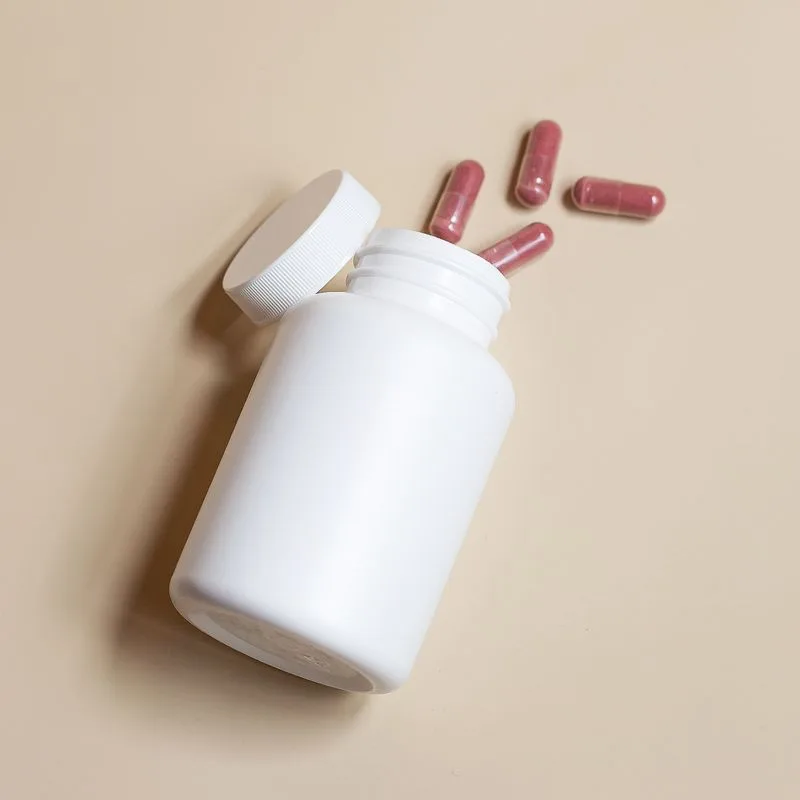
White supplement bottle with pink capsules spilled on a beige surface — a typical application for this ingredient.
- Certifications (ISO, Halal, Kosher, Organic, cGMP) — scope to be confirmed; not claimed on this site
- MOQ, packaging, lead time and price — To be confirmed; ask sales
- Loss on drying, heavy metals, pesticide residues and microbiological limits — confirm on the batch COA
Frequently asked questions
What grades are available?
See the specification table on this page. The headline grade is Paeoniflorin — grade on enquiry. Other grades are available on enquiry — ask for the specification sheet for the grade you need.
How is the active content tested?
By HPLC where stated. The COA for each batch states the method and the result.
How should it be stored?
Store in a cool, dry place in sealed packaging, protected from light and moisture. Confirm the shelf life on the batch COA.
Can I get a COA and a sample?
Yes — batch COAs are available on request. Contact sales at info@famerise.com with the product name, the grade you need and your target application.
What should I specify — paeoniflorin content or extract ratio?
Specify the paeoniflorin content by HPLC, not just an extract ratio. A ratio alone does not fix the marker content, and batches with the same ratio can differ. Ask for the paeoniflorin figure and the HPLC method on the COA.
What is the MOQ, packaging and lead time?
To be confirmed — ask sales at info@famerise.com. Please state the paeoniflorin content you need, the quantity and your target application (supplement or cosmetic) so the quote matches the right grade.
Specification basis: Original product range. Figures are typical catalogue values; the batch COA is the binding document for the lot you receive.
Formulation notes — sources:
- PINHONBIO Paeoniflorin — 40%-95% HPLC grades are water-soluble powders from Paeonia lactiflora, CAS 23180-57-6 — https://www.pinhoningredients.com/products/paeoniflorin/
- PINHONBIO Peony Root Extract 80% Paeoniflorin TDS — water-soluble, solubility and clarity depend on solvent system, pH, temperature and other ingredients — https://pinhoningredients.com/documents/paeoniflorin/PINHONBIO-Peony-Root-Extract-Paeoniflorin-80-TDS-Manufacturer-Supplier-EN.pdf
- Bon Natural Radix Paeoniae Alba extract — paeoniflorin solubility up to 52.3 mg/mL in water at 25 C, stable at pH 3.0-7.0 — https://www.bon-natural-life.com/dietary-supplement/radix-paeoniae-alba-extract-powder.html
Related products
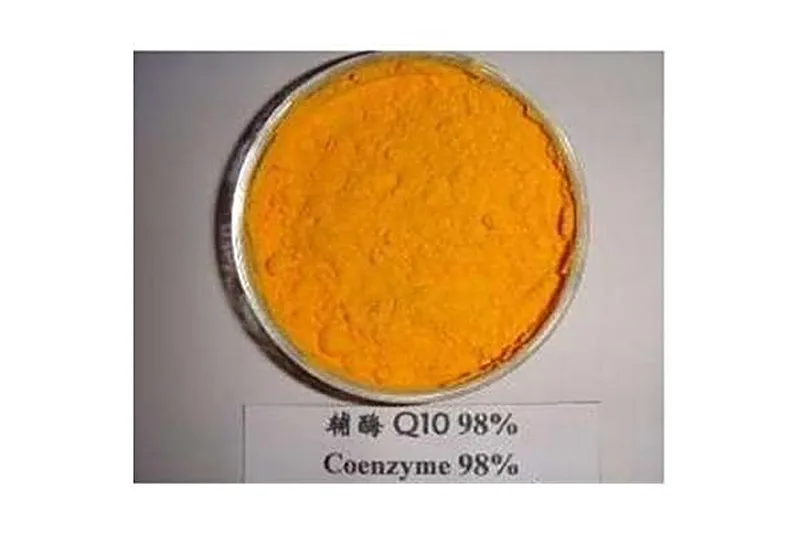
Coenzyme Q10 (CoQ10)
— (ubiquinone)CoQ10 98% · Water-soluble 10% / 20% / 40%View product →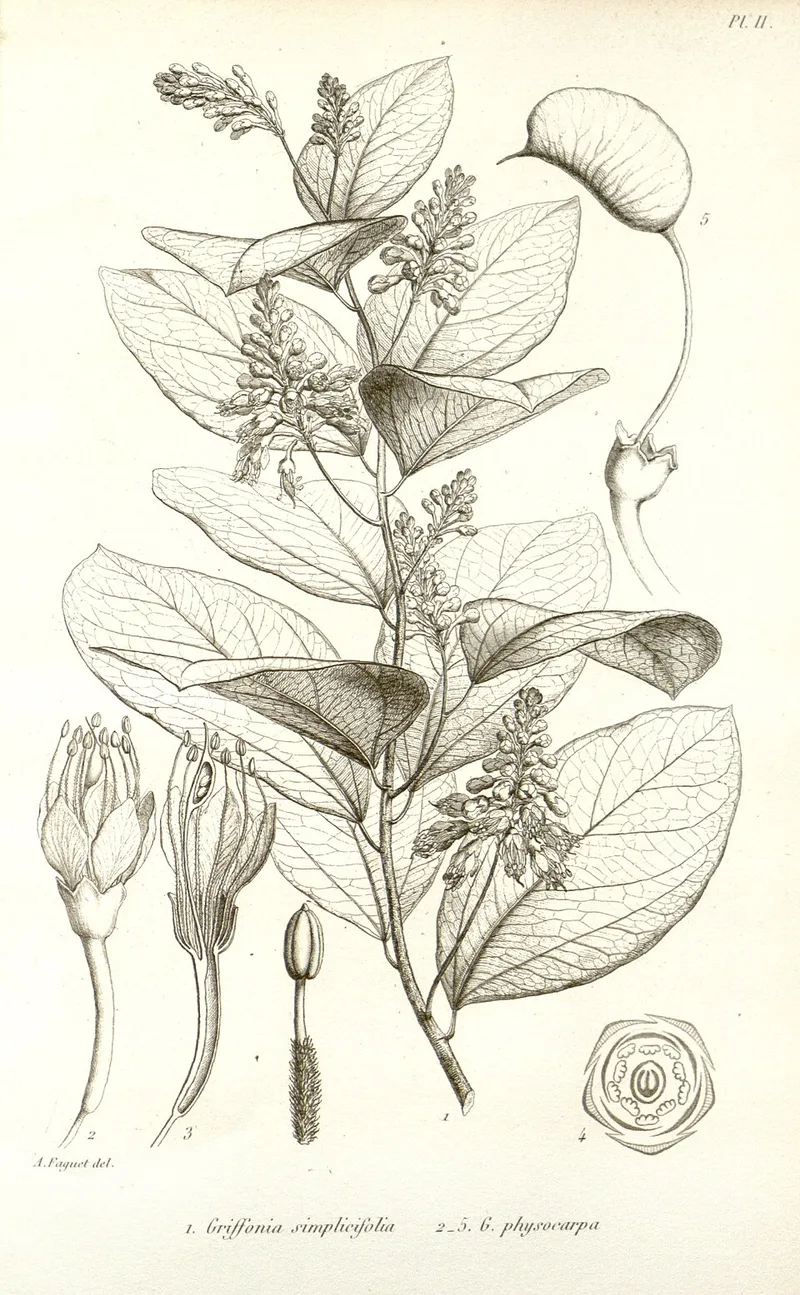
5-HTP
Griffonia simplicifolia (seed)5-HTP — grade on enquiryView product →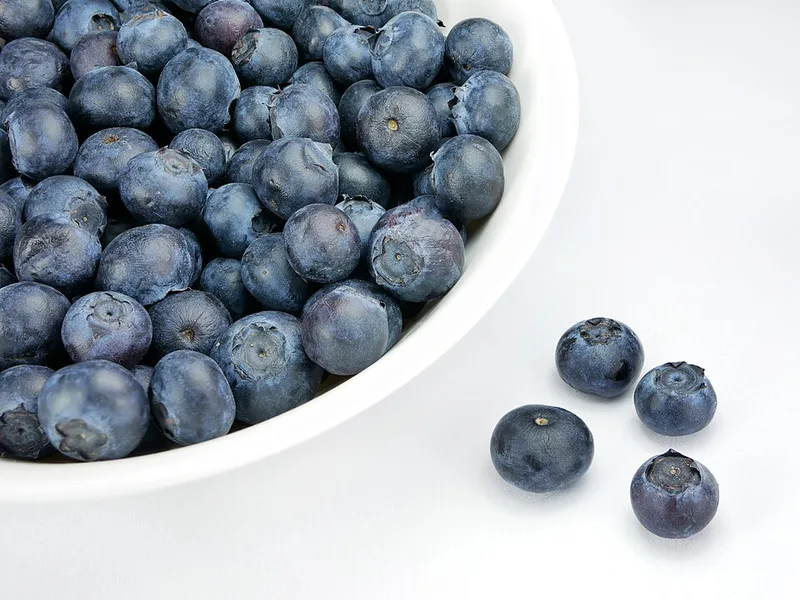
Fruit Powders & Juice Concentrates
Acai, blueberry, cranberry, elderberry, bilberry, coconut & moreJuice concentrates & spray-dried fruit powders · 100% natural, no additivesView product →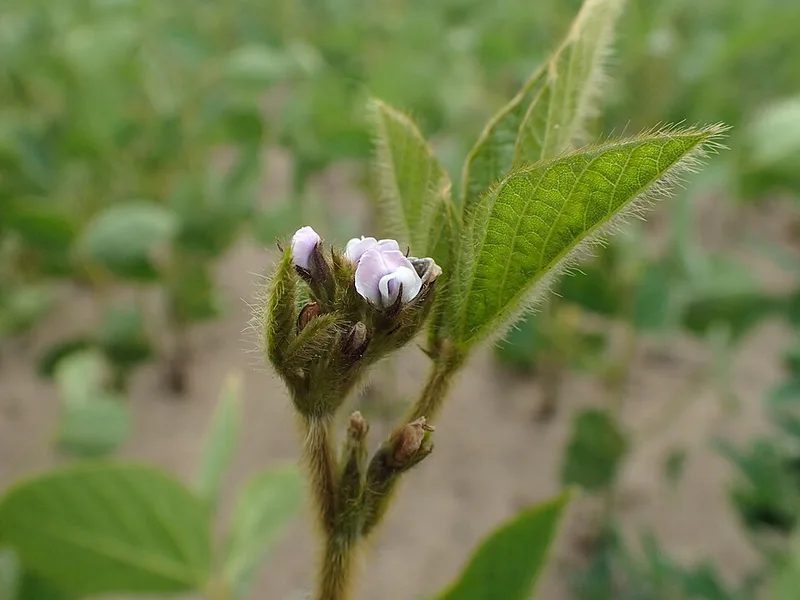
Soybean Extract (Isoflavones)
Glycine maxSoy isoflavones — grade on enquiryView product →Further reading
See Reading a botanical extract COA: what buyers should check before ordering in our News & Blog — it links to this product and to the grades most often compared with it.