
Home / Products / Botanical Extracts / Echinacea Extract
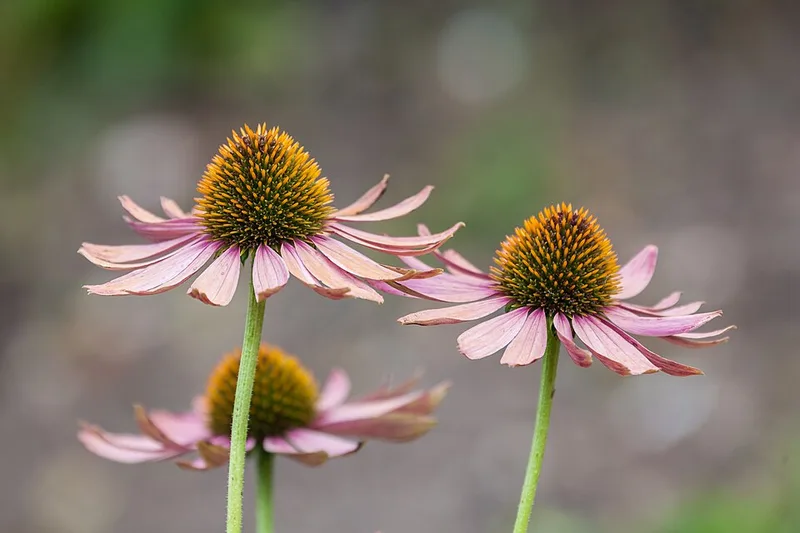
Photo: Wikimedia Commons by Diego Delso (CC BY-SA 3.0)
Echinacea Extract
Aerial-parts extract widely used in seasonal-wellness supplement formulations.
At a glance: Aerial-parts extract widely used in seasonal-wellness supplement formulations.
| Source | Echinacea purpurea |
|---|---|
| Part used | — |
| Form | Powder |
| Specification | Polyphenols / cichoric acid — grade on enquiry |
| Test method | UV / HPLC |
Specification
| Product | Echinacea Extract |
|---|---|
| Botanical / source name | Echinacea purpurea |
| CAS number | To be confirmed |
| Specification | Polyphenols / cichoric acid — grade on enquiry |
| Appearance | Fine powder — exact colour by grade; confirm on the COA |
| Form | Powder |
| Plant part / source | — |
| Solubility | Confirm solubility for the grade ordered — it varies by format |
| Test method | UV / HPLC |
Grades & forms
Polyphenols / cichoric acid — grade on enquiry
Polyphenol and cichoric-acid grades are on enquiry; confirm the species, plant part and assay method on the specification sheet.
How to use — formulation notes
Echinacea purpurea aerial-part extract is soluble in water and hydroalcoholic solutions, so it suits capsules, tablets, sachets and functional beverages. Specify the plant part and species on the order: purpurea aerial parts are standardised on cichoric acid and polyphenols, while angustifolia root is richer in alkamides. Cichoric and caftaric acids are phenolic compounds whose stability should be checked in liquid formats, so dry powder is the more stable format for storage and transport. Confirm the grade and use level for your application.
It is often compared with Ginseng Extract and Ginkgo Biloba Extract in the same Botanical Extracts range — see the related products below — and the Reading a botanical extract COA: what buyers should check before ordering guide in our News & Blog covers how buyers compare grades like this one.
Applications
- ✓Supplements
- ✓functional beverages
Typical uses are listed from the company catalogue. Confirm the grade, the permitted use level and the local rules for your target market before launch.
In the finished product
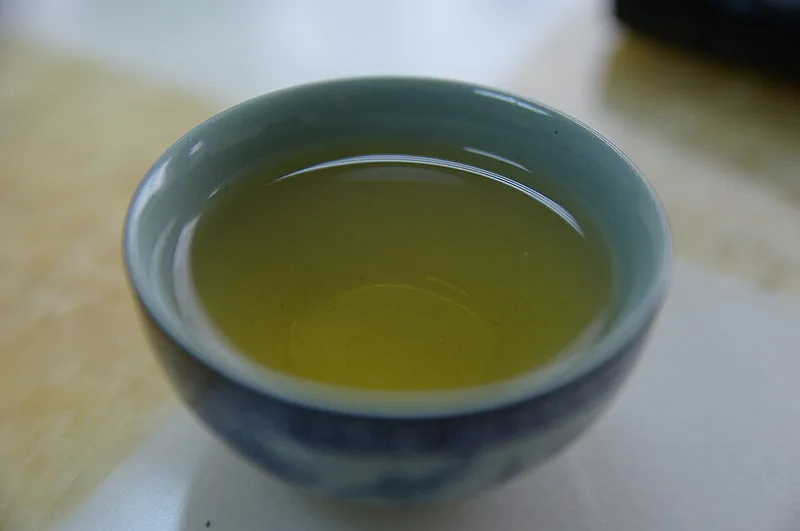
Small blue-grey cup of pale green tea — a typical application for this ingredient.
Photo: Robert Donovan, CC BY 2.0 via Wikimedia Commons (CC BY 2.0)
- Certifications (ISO, Halal, Kosher, Organic, cGMP) — scope to be confirmed; not claimed on this site
- MOQ, packaging, lead time and price — To be confirmed; ask sales
- Loss on drying, heavy metals, pesticide residues and microbiological limits — confirm on the batch COA
Frequently asked questions
What grades are available?
See the specification table on this page. The headline grade is Polyphenols / cichoric acid — grade on enquiry. Other grades are available on enquiry — ask for the specification sheet for the grade you need.
How is the active content tested?
By UV / HPLC where stated. The COA for each batch states the method and the result.
How should it be stored?
Store in a cool, dry place in sealed packaging, protected from light and moisture. Confirm the shelf life on the batch COA.
Can I get a COA and a sample?
Yes — batch COAs are available on request. Contact sales at info@famerise.com with the product name, the grade you need and your target application.
What is the minimum order quantity and packaging?
To be confirmed — ask sales at info@famerise.com. Tell us the grade you need, the quantity and the target application, and sales will confirm the MOQ, packaging, lead time and price for your order.
What is the shelf life?
Shelf life is confirmed on the batch COA. Store the dry powder sealed in a cool, dry place, protected from light; the powder format keeps cichoric acid intact longer than a liquid extract during storage and transport.
Which species and part should I order?
Echinacea purpurea aerial parts are standardised on cichoric acid and polyphenols, while Echinacea angustifolia root is richer in alkamides. Tell sales the species, the part and the marker you need, and confirm the grade on the specification sheet.
Specification basis: PlantExtract.pdf (Fame Rise Corp sample). Figures are typical catalogue values; the batch COA is the binding document for the lot you receive.
Formulation notes — sources:
- Nutri Avenue Echinacea Extract (soluble in water and hydroalcoholic solutions; polyphenols 4% UV, cichoric acid 1–4% HPLC; aerial parts vs root) — https://www.nutriavenue.com/ingredients/echinacea-extract/
- Bioencapsulation 2007, Stability of Bioactive Compounds of Echinacea purpurea Extract (cichoric and caftaric acid stability studied at 4, 30 and 45 °C in liquid and dried extract) — https://bioencapsulation.net/200_meetings/230_contribution_abstracts/2007-09-06_P1-03.pdf
Related products
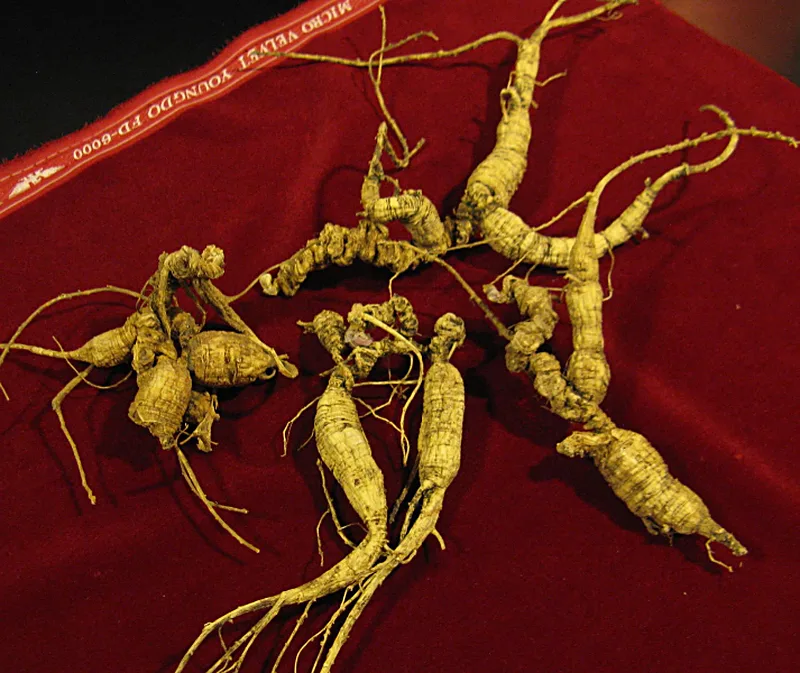
Ginseng Extract
Panax ginseng C. A. Mey.Ginsenosides 5–80% · Root / leaf & stem / American / red · Low-pesticide series availableView product →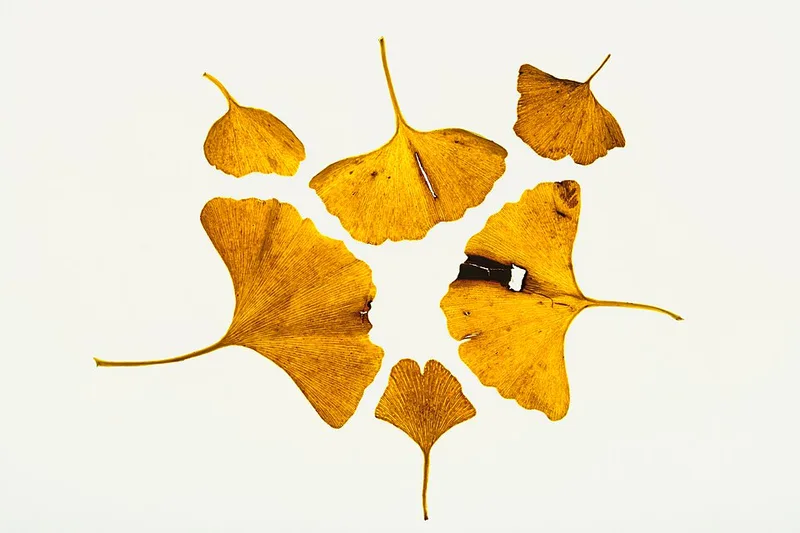
Ginkgo Biloba Extract
Ginkgo biloba L.24% flavones / 6% lactones · USP / CP / EP standard · Water-soluble gradeView product →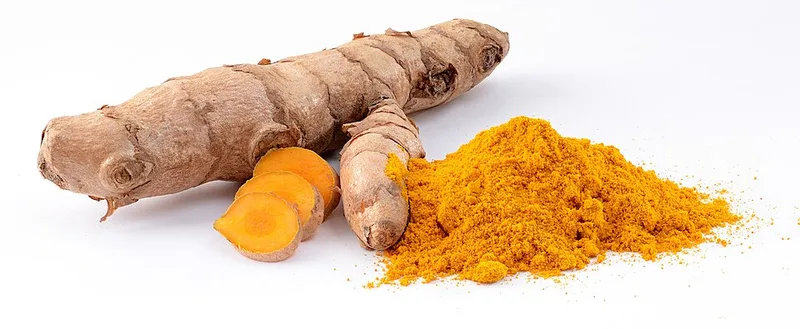
Turmeric Extract (Curcumin)
Curcuma longa L.Curcuminoids — grade on enquiryView product →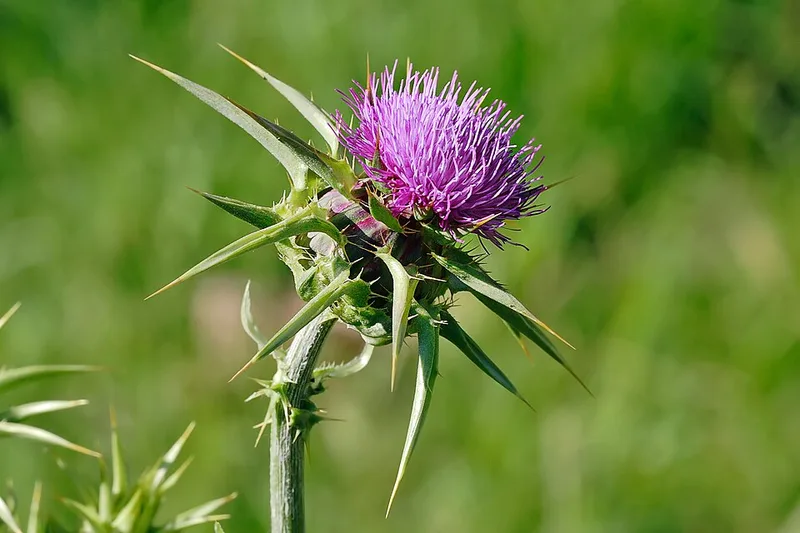
Milk Thistle Extract
Silybum marianum G.Silymarin 80% UV (silybins >30%) · Silymarin >50% HPLC · Silybin >95%View product →Further reading
See Reading a botanical extract COA: what buyers should check before ordering in our News & Blog — it links to this product and to the grades most often compared with it.