
Home / Products / Nutrition Ingredients / Dehydrated Onion
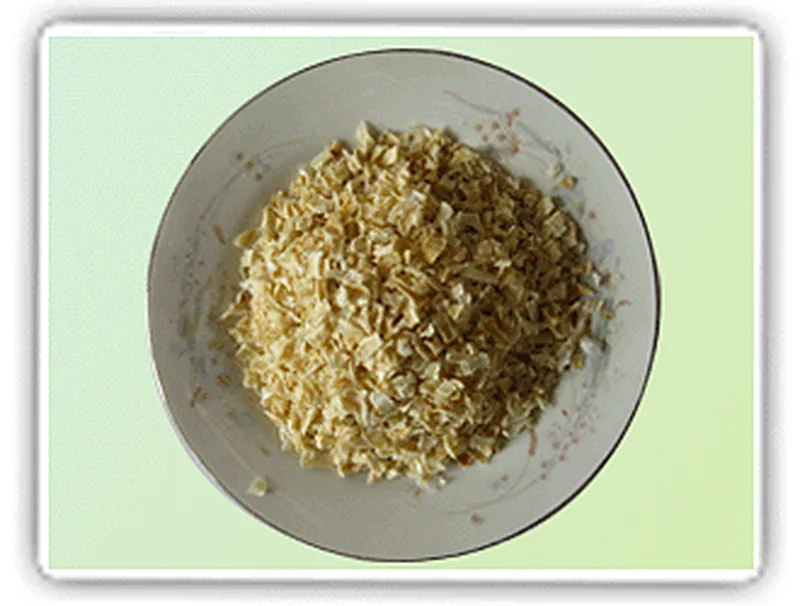
Photo: Fame Rise Biotech Inc.
Dehydrated Onion
Dehydrated onion in powder and flake forms, from peeled, sliced and hot-air-dried bulbs, for seasonings, soups, sauces and snacks.
At a glance: Dehydrated onion in powder and flake forms, from peeled, sliced and hot-air-dried bulbs, for seasonings, soups, sauces and snacks.
| Source | Allium cepa |
|---|---|
| Part used | Bulb |
| Form | Powder / flakes |
| Specification | Powder · flakes — moisture ≤5.5% max |
| Test method | ASTA 2.1 (moisture) |
Specification
| Product | Dehydrated Onion |
|---|---|
| Botanical / source name | Allium cepa |
| CAS number | To be confirmed |
| Specification | Powder · flakes — moisture ≤5.5% max |
| Appearance | Creamy to light tan free-flowing powder; flakes on enquiry |
| Form | Powder / flakes |
| Plant part / source | Bulb |
| Solubility | Dispersible in water — confirm the grade ordered |
| Test method | ASTA 2.1 (moisture) |
Grades & forms
Powder and flakes. Moisture ≤5.5% max; pyruvic acid is the pungency marker — confirm the grade and the pyruvic acid value on the specification sheet. Typical shelf life 24 months stored below 21 °C and 65% relative humidity.
Supplied as powder and flakes in products.json, with moisture at 5.5% maximum and pyruvic acid as the pungency marker; confirm the grade and the pyruvic acid value on the specification sheet for the lot ordered.
How to use — formulation notes
Dehydrated onion is made from fresh onions that are cleaned, sliced, dehydrated and ground to powder or flakes, and it is used as a base aromatic in dry spice blends, soups, sauces, dressings and meat products. It disperses in warm liquids and oils rather than dissolving, and its pungency is tracked by pyruvic acid, the compound responsible for onion pungency and flavour. The Fame Rise specification caps moisture at 5.5% maximum, and public supplier data quote 24 months' shelf life in sealed, cool, dry storage below 25 C and 60% relative humidity. Dried onion is hygroscopic, so keep it sealed and dry to prevent caking and aroma loss, and confirm the grade and pyruvic acid value for your application.
It is often compared with Coenzyme Q10 (CoQ10) and 5-HTP in the same Nutrition Ingredients range — see the related products below — and the Reading a botanical extract COA: what buyers should check before ordering guide in our News & Blog covers how buyers compare grades like this one.
Applications
- ✓Seasonings
- ✓soups
- ✓sauces
- ✓snacks
- ✓processed meats
Typical uses are listed from the company catalogue. Confirm the grade, the permitted use level and the local rules for your target market before launch.
In the finished product
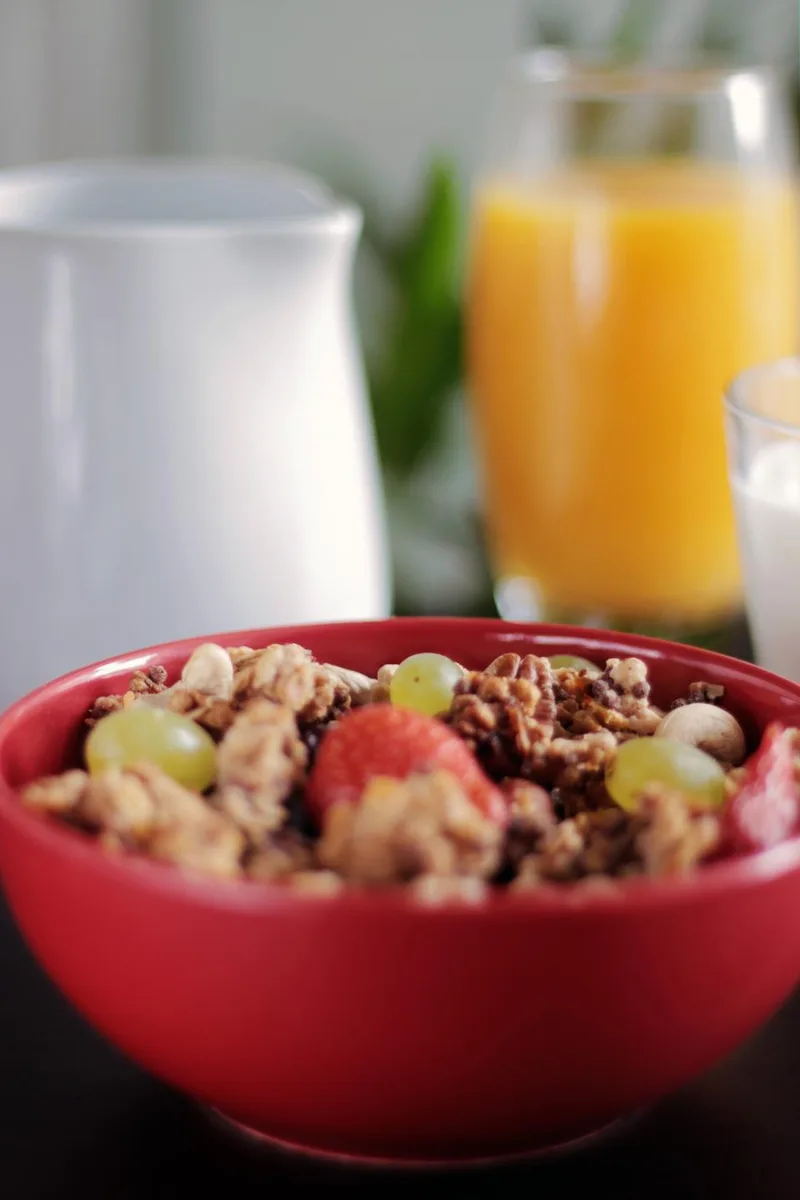
Red bowl of muesli with grapes and strawberries, milk jug and orange juice behind — a typical application for this ingredient.
- CAS: no single CAS number applies to dehydrated onion as a whole food ingredient — left blank rather than guessed
- Certifications (ISO, Halal, Kosher, Organic, cGMP) — scope to be confirmed; not claimed on this site
- MOQ, packaging, lead time and price — To be confirmed; ask sales
- Loss on drying, heavy metals, pesticide residues and microbiological limits — confirm on the batch COA
Frequently asked questions
What forms are available?
Powder and flakes, from the same dehydrated bulbs. Tell us the particle size you need and we will quote the matching form.
What is pyruvic acid, and why is it on the specification?
Pyruvic acid is the accepted marker for onion pungency — the higher the value, the stronger the onion character. If pungency matters for your product, state the pyruvic acid value you need on the specification sheet.
How should it be stored?
Store in a cool, dry place in sealed packaging, below 21 °C and 65% relative humidity. Typical shelf life is 24 months — confirm on the batch COA.
Can I get a COA and a sample?
Yes — batch COAs are available on request. Contact sales at info@famerise.com with the product name, the grade you need and your target application.
What is pyruvic acid, and why does it matter?
Pyruvic acid is the compound used to measure onion pungency and flavour strength — a higher value means a sharper, stronger onion character. Ask for the pyruvic acid value on the specification sheet so you can compare lots and match your recipe.
What is the MOQ, packaging and lead time?
To be confirmed — ask sales at info@famerise.com. Please state the form you need (powder or flakes), the quantity you require and your target application, so the quote matches the right grade for your finished product.
How should dehydrated onion be stored, and what is its shelf life?
Store sealed in a cool, dry place below 25 C and 60% relative humidity — dried onion is hygroscopic and cakes once it absorbs moisture. Public supplier data quote 24 months sealed; confirm the shelf life on the specification sheet for the lot ordered.
Specification basis: Public catalogue cross-check 2026-11-24 — dehydrated onion powder, Allium cepa, moisture ≤5.5% max, pyruvic acid as pungency marker; Original product range. Figures are typical catalogue values; the batch COA is the binding document for the lot you receive.
Formulation notes — sources:
- Lavan Agro onion powder — pyruvic acid is the compound responsible for pungency, moisture ≤6%, shelf life 24 months in proper storage — https://lavanagro.com/onion-powder.html
- Ahana Enterprise onion powder — pyruvic acid minimum 10 micromol/g, moisture ≤5%, shelf life 24 months sealed, store cool and dry below 25 C and 60% relative humidity — https://www.ahanaenterprise.com/product-details.php?product=onion-powder
- Enigma Exports dehydrated white onion — high-pyruvic-acid cultivars, moisture maximum 5-6%, shelf life 18-24 months below 20 C and 60% relative humidity — https://www.enigmaexports.com/our-products/food-ingredients-spices
Related products
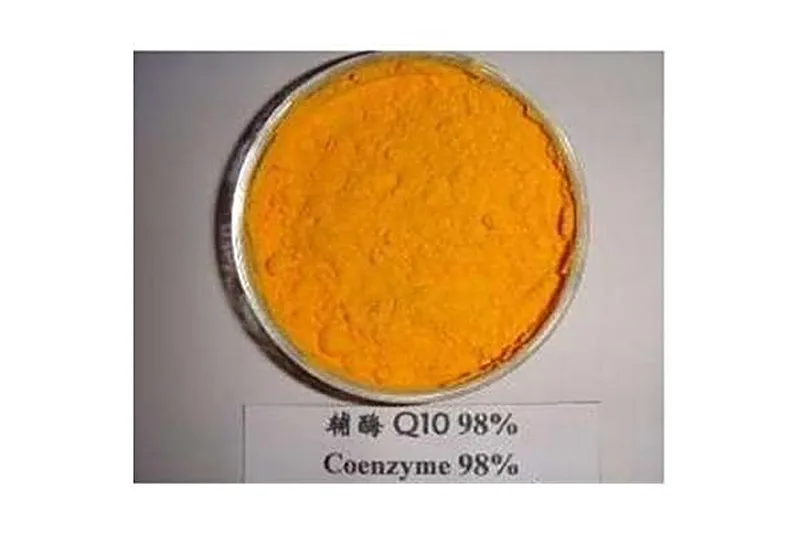
Coenzyme Q10 (CoQ10)
— (ubiquinone)CoQ10 98% · Water-soluble 10% / 20% / 40%View product →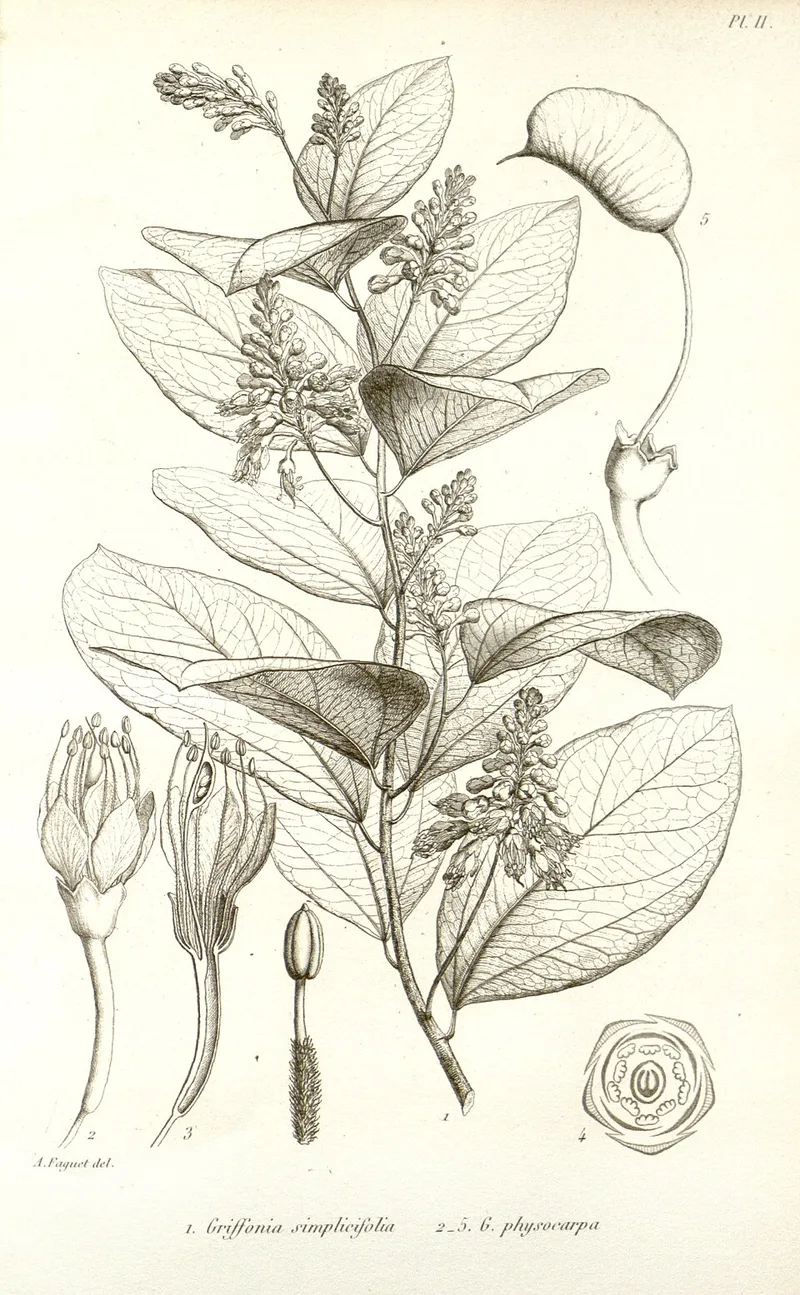
5-HTP
Griffonia simplicifolia (seed)5-HTP — grade on enquiryView product →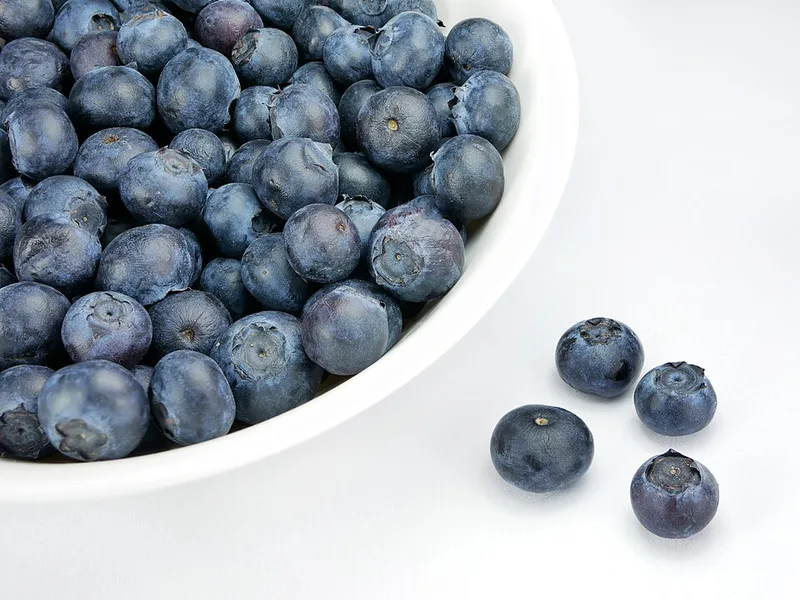
Fruit Powders & Juice Concentrates
Acai, blueberry, cranberry, elderberry, bilberry, coconut & moreJuice concentrates & spray-dried fruit powders · 100% natural, no additivesView product →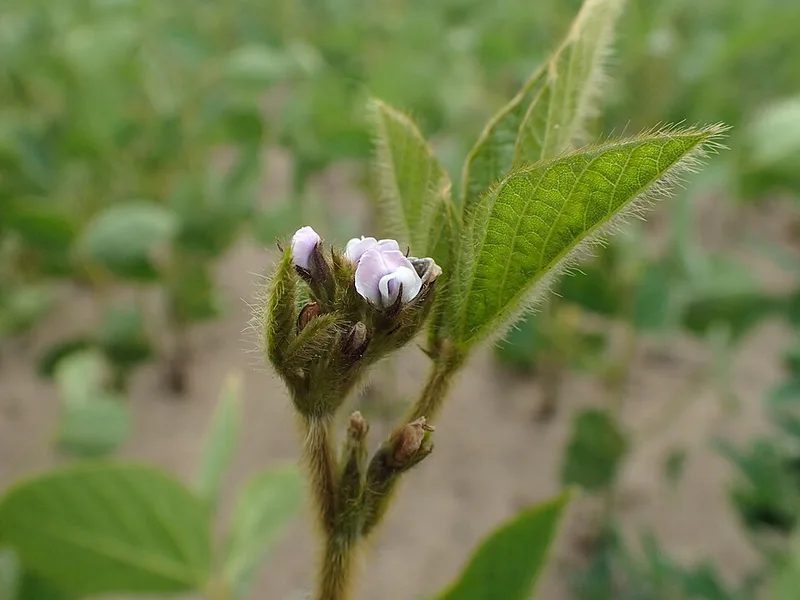
Soybean Extract (Isoflavones)
Glycine maxSoy isoflavones — grade on enquiryView product →Further reading
See Reading a botanical extract COA: what buyers should check before ordering in our News & Blog — it links to this product and to the grades most often compared with it.